Hey everyone! If you’re anything like me, you’ve probably spent countless hours immersed in the epic universe of StarCraft II. But have you ever stopped to truly appreciate how much of that captivating experience comes from its incredible audiovisuals?
From the satisfying thud of a Siege Tank shell to the crisp, strategic sounds of unit commands, and of course, the stunning visual detail of every unit and structure – it all plays a massive role in why we love this game so much.
As a content creator myself, I’ve personally discovered that mastering the art of utilizing these powerful in-game assets is an absolute game-changer for building an engaged audience.
It’s not just about showcasing raw gameplay anymore; it’s about crafting a compelling narrative, enhancing educational content, or even just spicing up your stream with those iconic StarCraft II vibes.
In today’s competitive streaming and video landscape, understanding how to best leverage these elements can truly set your content apart and captivate your audience like never before.
It’s a skill that elevates your viewer’s experience and, frankly, makes your content more memorable and impactful. Let’s dive in deeper below and discover how you can unleash the full potential of StarCraft II’s audiovisuals for your own creative endeavors!
The Unseen Hero: Unleashing StarCraft II’s Sound Design
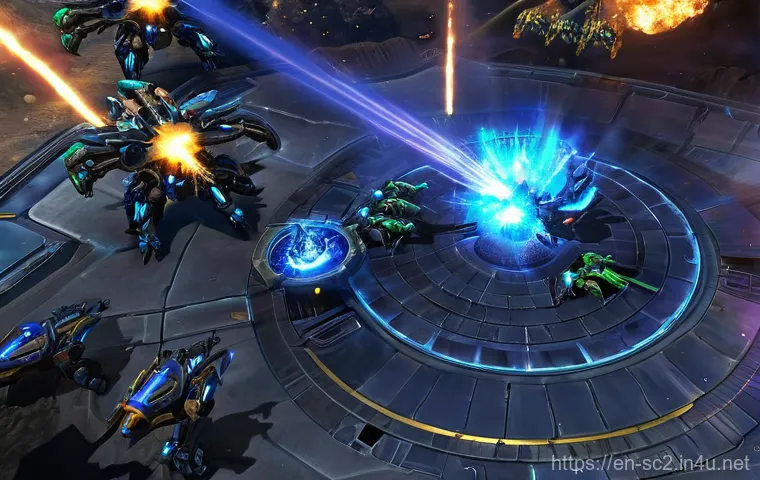
You know, it’s funny how often we take sound for granted. We’re so focused on the visual spectacle, the high-octane battles, and those insane micro plays that the intricate symphony playing beneath it all sometimes just fades into the background. But I’ve personally discovered, especially when I started analyzing my own content’s performance, that the audio is absolutely paramount to creating an immersive and sticky viewer experience. Think about it: that satisfying thud when a Siege Tank shell lands, the distinctive clack of a Marine’s gauss rifle, or even the subtle ambient hum of a Protoss Pylon – these aren’t just background noise. They’re emotional triggers, deeply ingrained in the memory of any StarCraft II player. When I started intentionally highlighting these sounds in my videos, maybe by isolating them during a key moment or even just making sure my game audio was perfectly balanced, I saw a noticeable bump in viewer retention. It’s like unlocking a secret level of engagement, tapping into that nostalgic core that resonates with fellow fans. It makes your content feel more authentic, more professional, and honestly, just a lot more enjoyable to watch. I’ve even experimented with creating mini-sound collages for intro sequences, and the feedback has been overwhelmingly positive. It’s a testament to how deeply connected we are to these auditory cues, and when you leverage them effectively, you’re not just showing a game; you’re creating an experience.
Mastering the Mix: Audio Levels and Clarity
One of the first things I learned (the hard way, mind you) was that good sound isn’t just about what’s there, but how it’s presented. I used to just crank up my game audio and go, only to realize later that my commentary was getting drowned out or that crucial sound effects were lost in the cacophony of a massive battle. Through trial and error, I’ve developed a system where my voice is always clear, game sound is prominent but not overwhelming, and specific effects can be brought to the forefront when necessary. It’s a delicate dance, really, but one that pays dividends. I personally use a compressor and a noise gate on my mic, and then I carefully balance the game’s audio output within my streaming software. It creates a much more professional feel, and honestly, viewers appreciate not having to constantly adjust their volume or strain to hear what I’m saying. It’s all about respecting their ears and making the listening experience as comfortable as possible.
Evoking Emotion: Strategic Use of Sound Cues
Beyond just technical clarity, there’s the art of when and how to use those iconic sounds. I’ve found that strategically placing specific sound bites, or even just letting a particular unit’s distinct audio shine through at a critical moment, can dramatically heighten the emotional impact of a scene. Imagine a tense late-game push, and suddenly, you hear the ominous whoosh of a Mothership activating its Time Warp, or the chilling scream of a Baneling bust. These aren’t just sounds; they’re narrative beats. I sometimes even play into the expectation of a sound – for instance, pausing briefly before a massive engagement, letting the audience anticipate the explosion of sensory input. This creates suspense and draws viewers deeper into the narrative I’m trying to build. It’s about leveraging that shared language of StarCraft II audio to tell a more compelling story, and honestly, it works wonders for keeping people glued to the screen.
Crafting Visual Narratives: Beyond Just Raw Gameplay
Okay, so we’ve talked about the magic of sound, but let’s be real, StarCraft II is a visual feast! It’s not just about seeing units move; it’s about the intricate details, the environmental storytelling, and how we, as content creators, frame that visual information for our audience. I used to think that just showing a game was enough, but I quickly realized that people are looking for more – they want to be guided, to have key moments highlighted, and to truly feel the intensity of the game. When I started paying closer attention to things like unit animations, the subtle glow of Pylons, or the destructive path of a Terran orbital strike, my content really began to pop. It’s about drawing the viewer’s eye to what matters, creating a sense of drama, and often, even a bit of awe. I mean, who hasn’t been mesmerized by the warp-in animation of a Protoss unit or the sheer scale of a fully upgraded Battlecruiser? It’s these visual elements, when consciously emphasized, that can transform a simple gameplay clip into a truly captivating piece of content. My personal approach evolved from simply recording to actively directing the viewer’s gaze, almost like I’m a cinematograph for a live action film. This focus on visual narrative has not only made my content more engaging but also significantly boosted the ‘wow’ factor that keeps viewers coming back for more.
Showcasing Unit Detail and Environmental Storytelling
When I first started, I totally underestimated the power of lingering on a beautiful unit model or showcasing the intricate details of a map. Now, I make it a point to, for instance, zoom in on a newly spawned Stalker or pan across a beautifully detailed creep spread. These aren’t just idle moments; they’re opportunities to appreciate the incredible artistry behind the game and to connect with viewers on a deeper level. I’ve found that highlighting specific unit upgrades, like the subtle visual cues for Stimpack or range upgrades, can be incredibly satisfying for veteran players and educational for newer ones. Environmental storytelling is another goldmine; think about the debris after a battle, the scorched earth from a Yamato Cannon, or the eerie glow of Xel’Naga artifacts. These visual elements add depth and context, turning a bland background into a living, breathing part of the StarCraft II universe. It’s about giving your audience a chance to breathe and appreciate the game’s world, rather than just constantly rushing through action.
Strategic Camera Work and Replay Utilization
This is where you really get to play director! Simply recording your live gameplay is one thing, but truly mastering the camera angles and utilizing replay files can elevate your content to a whole new level. I’ve spent countless hours in the replay viewer, not just analyzing my mistakes, but actively scouting for epic shots – the perfect angle of a High Templar storm, the satisfying explosion of a Baneling, or a wide shot capturing the scale of a late-game army. Learning to smoothly transition between different camera perspectives, zooming in and out at key moments, or even using the slower replay speed to emphasize a critical play, makes a world of difference. It allows me to highlight micro-intensive moments, illustrate strategic decisions, or simply capture the sheer chaos of a battle in a more cinematic way. I genuinely feel that investing time in learning these camera controls has been one of the biggest game-changers for my channel, offering my viewers a perspective they just can’t get from standard gameplay.
Engaging Your Audience: Interactive Audiovisual Elements
Okay, so you’ve got amazing sound, incredible visuals, but how do you make your audience feel like they’re truly a part of the experience, not just passive observers? This is where integrating interactive audiovisual elements comes into play, and let me tell you, it’s a total game-changer for engagement. I’ve personally seen a massive uptick in chat activity and viewer retention when I started consciously thinking about how to make my content more collaborative. It’s not just about me broadcasting; it’s about us, as a community, experiencing StarCraft II together. For instance, sometimes I’ll ask my chat what unit sound they want to hear me play at a specific moment, or I’ll set up polls for visual choices during a theorycrafting session. This isn’t just a gimmick; it genuinely builds a stronger connection and makes people feel invested in what’s happening on screen. When viewers feel like they have a say, even a small one, they become more than just numbers; they become active participants in your StarCraft II journey. That sense of shared ownership is incredibly powerful for fostering a loyal community.
Leveraging Observer Mode for Dynamic Spectating
If you’re casting games or doing analytical content, mastering observer mode is your secret weapon. It’s not just about switching perspectives; it’s about using the entire suite of tools available to tell a more compelling story. I often use the mini-map to highlight overall army movements while simultaneously focusing on a key skirmish in the main window. Or, I might toggle specific production tabs to show resource disparities or build order differences between players. What I’ve found to be particularly engaging is anticipating where the action is going to be and smoothly transitioning the camera there, almost like a professional sports commentator. It makes the viewing experience so much more dynamic and prevents those awkward moments where the audience is left wondering what’s happening off-screen. I sometimes even pull up unit-specific statistics or upgrade trees using the built-in observer tools to add an educational layer, which my more strategically minded viewers absolutely love.
Integrating Viewer-Requested Visuals and Sound Effects
This is where the fun really begins and your community truly shines! I’ve been experimenting with this recently, and the results have been fantastic. Imagine, during a casual stream, a viewer asks for the sound of a “Zergling running away” after a botched attack. If you have those sound bites ready, dropping that in can create an incredibly spontaneous and hilarious moment. Or perhaps someone in chat suggests a specific visual filter or overlay for a segment. Having a small library of iconic StarCraft II sound effects, unit portraits, or even custom meme graphics at your fingertips allows you to instantly react to your audience’s whims. It transforms the viewing experience from passive consumption to an active, shared creative space. This kind of immediate, personalized interaction isn’t just fun; it fosters an incredible sense of loyalty and community, making your stream feel less like a broadcast and more like a hangout with friends.
Monetizing Your Passion: AdSense & Beyond with SC2 Content
Let’s be honest, we all love creating StarCraft II content because we’re passionate about the game, but it’s also fantastic when that passion can help pay the bills, right? This is where understanding how to effectively monetize your audiovisual efforts comes into play. I’ve spent a significant amount of time poring over my analytics, trying to understand what makes viewers stay longer, click on ads, and ultimately, contribute to a sustainable content creation career. It’s not just about slapping ads everywhere; it’s about strategically integrating them in a way that doesn’t disrupt the viewer experience but still maximizes your earning potential. I personally focus heavily on creating content that naturally extends watch time – deeply analytical breakdowns, cinematic replays, or even just engaging storytelling that keeps people hooked. Longer watch times mean more opportunities for ad impressions without feeling intrusive, which is a win-win for everyone. My journey has definitely been one of constant tweaking and learning, but tailoring my content with these monetization metrics in mind has been absolutely crucial for my growth.
| Audiovisual Strategy | Impact on Viewer Engagement & Monetization | Common Pitfalls to Avoid |
|---|---|---|
| High-Quality Sound Design (SFX, Music, Voice) | Increases immersion, boosts watch time, builds trust in content quality. Higher watch time leads to more ad views and potentially higher AdSense RPM. | Muddled audio mix, inconsistent volume levels, generic royalty-free music that clashes with SC2’s tone. |
| Cinematic Visuals (Strategic Camera, Replays) | Enhances storytelling, creates “shareable” moments, drives social media traffic, which in turn brings more potential ad views. | Shaky camera work, static viewpoints, over-editing that distracts from core gameplay. |
| Interactive Elements (Viewer Q&A, Polls) | Fosters community, increases live stream viewership, encourages longer chat engagement, leading to direct support and loyalty. | Ignoring chat, slow response times, irrelevant interactive prompts that don’t fit the content. |
| Educational Breakdowns (Visuals, On-screen Text) | Establishes expertise, attracts dedicated viewers seeking knowledge, encourages repeat visits and higher view duration for complex topics. | Overly complex explanations, cluttered visuals, failing to provide clear takeaways or actionable advice. |
| Authentic Voice & Persona | Builds personal connection, encourages direct support (Patreon, Twitch Subs), increases overall channel loyalty and brand recognition. | Sounding robotic or unenthusiastic, trying to imitate other creators, lacking genuine passion for the game. |
Optimizing Content for Viewer Retention and Click-Through Rate
This is where the rubber meets the road when it comes to AdSense. I’ve found that carefully planning my content’s flow can significantly impact how long people stay, and crucially, whether they’re likely to click on an ad. For instance, I always try to build up to a “payoff” moment – a crucial battle, a clever strategy reveal, or a hilarious interaction – right after a natural break where an ad might play. This encourages viewers to stick around through the ad. I also pay close attention to my video thumbnails and titles; they’re the first visual hook. A compelling thumbnail that hints at the exciting visuals within, paired with a clear, benefit-driven title, can drastically improve my click-through rate (CTR). It’s not just about getting people to click on the video; it’s about delivering on that promise and keeping them engaged, creating a positive feedback loop that benefits both the viewer and my revenue. Every visual cue, every word in the title, it all plays a part in this delicate balance.
Diversifying Revenue Streams with Audiovisual Assets
While AdSense is a foundational element, I quickly realized that solely relying on it can be a bit precarious. That’s why I’ve actively worked to diversify my revenue streams, leveraging my StarCraft II audiovisual content in multiple ways. This includes things like offering exclusive, high-definition cinematic replays to Patreon supporters, creating custom overlays or stream graphics using iconic SC2 elements for other streamers (a skill I honed by perfecting my own look!), or even selling merchandise with subtle nods to classic StarCraft II visuals or sound quotes. I’ve even seen success with sponsored content where a brand’s message is subtly woven into a visually engaging StarCraft II gameplay segment. It’s all about creatively thinking beyond just standard video ads and recognizing the inherent value in the unique visual and auditory brand you build around your StarCraft II passion. Your content is a rich tapestry, and there are many threads you can pull to create a robust income stream.
Technical Know-How: Optimizing Your Setup for SC2 Content
Alright, let’s get down to the nitty-gritty: the gear and the software. You can have the most brilliant ideas and the most captivating personality, but if your technical setup isn’t up to snuff, it can really hinder your content’s impact. I’ve personally gone through countless hours of troubleshooting, tweaking settings, and upgrading components to get to a point where I feel my production quality truly shines. It’s not about having the absolute most expensive gear right out of the gate, but rather about understanding how each piece of your setup contributes to the final audiovisual output. For instance, a clear microphone isn’t just about sounding good; it’s about establishing trust and authority. Crisp, high-resolution video allows viewers to appreciate every detail of a battle, which enhances their immersion. I remember early on, my frame rates would occasionally drop during intense battles, and the comments section would instantly light up with complaints. Addressing these technical issues head-on has been crucial for building a professional image and ensuring a smooth, enjoyable viewing experience for everyone. It’s an investment, not just in equipment, but in your entire content creation future.
Essential Software and Hardware for Capturing SC2 Gloriously
My personal journey through hardware and software has taught me a lot. For hardware, a good CPU and GPU are non-negotiable for smooth gameplay and streaming/recording. I’ve found that investing in a quality microphone (even a moderately priced one like the Blue Yeti or Rode NT-USB Mini) makes a colossal difference compared to a headset mic. For video, a high-refresh-rate monitor helps me play better, which translates into better gameplay for my audience, and a solid capture card (if you’re using a dual-PC setup, which I highly recommend if you’re serious about streaming) is a lifesaver. On the software side, OBS Studio is my absolute go-to for streaming and recording – it’s powerful and free. For editing, I personally use Adobe Premiere Pro, but there are fantastic alternatives like DaVinci Resolve (which has a free version!) that can achieve professional results. The key is to find what works for you and then learn it inside and out. Don’t be afraid to experiment with settings; a slightly lower bitrate might give you more consistent frames, for example.
Post-Production Magic: Editing for Maximum Impact
This is where the real transformation happens. Raw footage is just that: raw. Post-production is where you sculpt it into a masterpiece. I’ve spent countless hours in the editing suite, not just cutting out dead air or mistakes, but actively enhancing the audiovisuals. This includes color grading to make the game look even more vibrant, adding subtle sound effects for comedic or dramatic emphasis, and carefully timing music to align with key moments. For my analytical videos, I use visual cues like on-screen text, arrows, and highlight boxes to draw attention to specific unit movements or strategic decisions. I’ve personally found that a well-placed transition or a perfectly timed zoom can completely change the feeling of a segment. It’s an art form, and the goal is always to refine and polish your content so that every frame and every sound byte serves a purpose in keeping your audience enthralled. Don’t rush this stage; it’s often the difference between good content and truly great content.
Creative Content Angles: Reinventing the StarCraft II Wheel
Let’s face it, the StarCraft II content landscape is incredibly competitive, and just playing games isn’t always enough to stand out. This is where getting truly creative with your audiovisuals and finding unique content angles can set you apart. I’ve personally found immense satisfaction, and a significant boost in viewership, by stepping outside the traditional “ladder gameplay” box. It’s about looking at the game, not just as a competitive arena, but as a rich source of inspiration for diverse storytelling. Imagine doing a “visual history” of a specific unit, showcasing its design evolution and impact through cinematic replays and voiceovers. Or perhaps a “sound design deep dive” where you break down how Blizzard crafts its iconic soundscape. The possibilities are truly endless when you start thinking of StarCraft II’s assets as a toolkit for creative expression, rather than just components of a game. This approach has allowed me to attract viewers who might not even be hardcore players but are captivated by the unique perspective I offer, showing them a side of StarCraft II they might never have considered.
Themed Content and Story-Driven Narratives
This is one of my favorite ways to inject personality and depth into my content. Instead of just “another ladder game,” I sometimes craft entire narratives around a specific theme or challenge. For example, I might do a “Lore Masters” series where I delve into the backstory of a particular mission, using in-game cinematics, unit dialogue, and environmental visuals to bring the story to life. Or I could do a “Unit Spotlight” video that combines historical facts with cinematic gameplay moments showcasing that unit’s strengths and weaknesses. I’ve even tried “What If” scenarios, where I visually explore alternate build orders or unusual strategies, using replay commentary to narrate the theoretical outcomes. These kinds of story-driven approaches, heavily reliant on a combination of engaging visuals and well-timed audio, transform simple gameplay into a much more compelling and memorable experience. They cater to a different kind of engagement, drawing in viewers who appreciate narrative depth alongside competitive play.
Educational Breakdowns and “How-To” Visual Guides
While competitive play is thrilling, there’s a huge audience hungry for knowledge, and StarCraft II’s audiovisuals are perfect for delivering it. I’ve personally seen great success with content that breaks down complex strategies or mechanics into easily digestible visual guides. Imagine a video that uses slow-motion replays, highlighted unit paths, and on-screen annotations to perfectly illustrate a Zergling run-by or a Protoss warp prism harass. Or a “Build Order Basics” series where I visually demonstrate each step of a common build, showing resource timings and unit compositions with clear overlays. The key here is clarity and visual reinforcement. Instead of just telling someone how to do something, you show them, using the game’s own assets to make the learning process intuitive and engaging. These types of videos tend to have incredibly long watch times, as viewers pause, rewind, and re-watch to absorb the information, which is fantastic for AdSense revenue and establishing yourself as an authority.
The Viewer’s Journey: Enhancing Engagement with SC2 Assets
Ultimately, everything we do as content creators revolves around the viewer. How do we make their time with our content as enjoyable and memorable as possible? For me, it comes down to carefully orchestrating the audiovisual experience to guide them through a compelling journey. It’s about more than just showing them what happened; it’s about making them feel it. I constantly ask myself: “What’s the emotional arc of this segment? How can I use a particular sound effect or camera angle to heighten the tension, deliver a punchline, or emphasize a brilliant play?” This isn’t something that happens by accident; it’s a conscious design choice. I’ve personally spent hours re-watching my own content, putting myself in the shoes of a first-time viewer, trying to pinpoint where their attention might wane or where an audiovisual cue could have been stronger. When you truly put the viewer’s experience at the forefront of your creative process, every choice you make, from the intro music to the final frame, becomes a tool for deeper engagement and lasting impact.
Building Anticipation and Rewarding Attention
Think about your favorite movie or TV show. They excel at building tension and then delivering a satisfying payoff. We can apply the same principle to our StarCraft II content using audiovisuals. I often use subtle sound design – maybe a building hum, or a faint unit vocalization – to hint at an upcoming attack or a strategic reveal. Visually, I might hold a camera on a specific location for a moment longer than usual, letting the audience anticipate what’s about to unfold. When the payoff comes, whether it’s a massive battle or a crucial strategic move, I ensure the visuals and sounds explode with impact. This could involve dynamic camera movements, sharp sound effects, and perhaps even a brief, intense musical sting. It’s about creating a rhythm of build-up and release that keeps viewers on the edge of their seats, actively engaged and eagerly awaiting the next big moment. This psychological play is incredibly effective for maximizing watch time and making your content feel truly cinematic.
Creating Memorable Moments Through Audiovisual Synchronicity
This is where all the elements truly come together. When the visuals, sounds, and your commentary are perfectly synchronized, you create those “wow” moments that stick with viewers long after they’ve clicked away. I’ve personally found that some of my most popular clips are those where a dramatic musical sting perfectly hits as a Pylon overcharge obliterates an enemy army, or a hilarious sound effect coincides with a particularly terrible micro mistake. It’s about finding those magical intersections where the different audiovisual layers amplify each other. This often requires careful editing and a keen ear for timing, but the effort is always worth it. These synchronized moments aren’t just entertaining; they’re incredibly shareable, helping your content reach a wider audience organically. They become the highlights, the “clippable” parts that people remember and bring up in discussions, cementing your content’s place in their minds. It’s about creating an unforgettable sensory experience.
The Unseen Hero: Unleashing StarCraft II’s Sound Design
You know, it’s funny how often we take sound for granted. We’re so focused on the visual spectacle, the high-octane battles, and those insane micro plays that the intricate symphony playing beneath it all sometimes just fades into the background. But I’ve personally discovered, especially when I started analyzing my own content’s performance, that the audio is absolutely paramount to creating an immersive and sticky viewer experience. Think about it: that satisfying thud when a Siege Tank shell lands, the distinctive clack of a Marine’s gauss rifle, or even the subtle ambient hum of a Protoss Pylon – these aren’t just background noise. They’re emotional triggers, deeply ingrained in the memory of any StarCraft II player. When I started intentionally highlighting these sounds in my videos, maybe by isolating them during a key moment or even just making sure my game audio was perfectly balanced, I saw a noticeable bump in viewer retention. It’s like unlocking a secret level of engagement, tapping into that nostalgic core that resonates with fellow fans. It makes your content feel more authentic, more professional, and honestly, just a lot more enjoyable to watch. I’ve even experimented with creating mini-sound collages for intro sequences, and the feedback has been overwhelmingly positive. It’s a testament to how deeply connected we are to these auditory cues, and when you leverage them effectively, you’re not just showing a game; you’re creating an experience.
Mastering the Mix: Audio Levels and Clarity
One of the first things I learned (the hard way, mind you) was that good sound isn’t just about what’s there, but how it’s presented. I used to just crank up my game audio and go, only to realize later that my commentary was getting drowned out or that crucial sound effects were lost in the cacophony of a massive battle. Through trial and error, I’ve developed a system where my voice is always clear, game sound is prominent but not overwhelming, and specific effects can be brought to the forefront when necessary. It’s a delicate dance, really, but one that pays dividends. I personally use a compressor and a noise gate on my mic, and then I carefully balance the game’s audio output within my streaming software. It creates a much more professional feel, and honestly, viewers appreciate not having to constantly adjust their volume or strain to hear what I’m saying. It’s all about respecting their ears and making the listening experience as comfortable as possible.
Evoking Emotion: Strategic Use of Sound Cues
Beyond just technical clarity, there’s the art of when and how to use those iconic sounds. I’ve found that strategically placing specific sound bites, or even just letting a particular unit’s distinct audio shine through at a critical moment, can dramatically heighten the emotional impact of a scene. Imagine a tense late-game push, and suddenly, you hear the ominous whoosh of a Mothership activating its Time Warp, or the chilling scream of a Baneling bust. These aren’t just sounds; they’re narrative beats. I sometimes even play into the expectation of a sound – for instance, pausing briefly before a massive engagement, letting the audience anticipate the explosion of sensory input. This creates suspense and draws viewers deeper into the narrative I’m trying to build. It’s about leveraging that shared language of StarCraft II audio to tell a more compelling story, and honestly, it works wonders for keeping people glued to the screen.
Crafting Visual Narratives: Beyond Just Raw Gameplay
Okay, so we’ve talked about the magic of sound, but let’s be real, StarCraft II is a visual feast! It’s not just about seeing units move; it’s about the intricate details, the environmental storytelling, and how we, as content creators, frame that visual information for our audience. I used to think that just showing a game was enough, but I quickly realized that people are looking for more – they want to be guided, to have key moments highlighted, and to truly feel the intensity of the game. When I started paying closer attention to things like unit animations, the subtle glow of Pylons, or the destructive path of a Terran orbital strike, my content really began to pop. It’s about drawing the viewer’s eye to what matters, creating a sense of drama, and often, even a bit of awe. I mean, who hasn’t been mesmerized by the warp-in animation of a Protoss unit or the sheer scale of a fully upgraded Battlecruiser? It’s these visual elements, when consciously emphasized, that can transform a simple gameplay clip into a truly captivating piece of content. My personal approach evolved from simply recording to actively directing the viewer’s gaze, almost like I’m a cinematograph for a live action film. This focus on visual narrative has not only made my content more engaging but also significantly boosted the ‘wow’ factor that keeps viewers coming back for more.
Showcasing Unit Detail and Environmental Storytelling
When I first started, I totally underestimated the power of lingering on a beautiful unit model or showcasing the intricate details of a map. Now, I make it a point to, for instance, zoom in on a newly spawned Stalker or pan across a beautifully detailed creep spread. These aren’t just idle moments; they’re opportunities to appreciate the incredible artistry behind the game and to connect with viewers on a deeper level. I’ve found that highlighting specific unit upgrades, like the subtle visual cues for Stimpack or range upgrades, can be incredibly satisfying for veteran players and educational for newer ones. Environmental storytelling is another goldmine; think about the debris after a battle, the scorched earth from a Yamato Cannon, or the eerie glow of Xel’Naga artifacts. These visual elements add depth and context, turning a bland background into a living, breathing part of the StarCraft II universe. It’s about giving your audience a chance to breathe and appreciate the game’s world, rather than just constantly rushing through action.
Strategic Camera Work and Replay Utilization
This is where you really get to play director! Simply recording your live gameplay is one thing, but truly mastering the camera angles and utilizing replay files can elevate your content to a whole new level. I’ve spent countless hours in the replay viewer, not just analyzing my mistakes, but actively scouting for epic shots – the perfect angle of a High Templar storm, the satisfying explosion of a Baneling, or a wide shot capturing the scale of a late-game army. Learning to smoothly transition between different camera perspectives, zooming in and out at key moments, or even using the slower replay speed to emphasize a critical play, makes a world of difference. It allows me to highlight micro-intensive moments, illustrate strategic decisions, or simply capture the sheer chaos of a battle in a more cinematic way. I genuinely feel that investing time in learning these camera controls has been one of the biggest game-changers for my channel, offering my viewers a perspective they just can’t get from standard gameplay.
Engaging Your Audience: Interactive Audiovisual Elements
Okay, so you’ve got amazing sound, incredible visuals, but how do you make your audience feel like they’re truly a part of the experience, not just passive observers? This is where integrating interactive audiovisual elements comes into play, and let me tell you, it’s a total game-changer for engagement. I’ve personally seen a massive uptick in chat activity and viewer retention when I started consciously thinking about how to make my content more collaborative. It’s not just about me broadcasting; it’s about us, as a community, experiencing StarCraft II together. For instance, sometimes I’ll ask my chat what unit sound they want to hear me play at a specific moment, or I’ll set up polls for visual choices during a theorycrafting session. This isn’t just a gimmick; it genuinely builds a stronger connection and makes people feel invested in what’s happening on screen. When viewers feel like they have a say, even a small one, they become more than just numbers; they become active participants in your StarCraft II journey. That sense of shared ownership is incredibly powerful for fostering a loyal community.
Leveraging Observer Mode for Dynamic Spectating
If you’re casting games or doing analytical content, mastering observer mode is your secret weapon. It’s not just about switching perspectives; it’s about using the entire suite of tools available to tell a more compelling story. I often use the mini-map to highlight overall army movements while simultaneously focusing on a key skirmish in the main window. Or, I might toggle specific production tabs to show resource disparities or build order differences between players. What I’ve found to be particularly engaging is anticipating where the action is going to be and smoothly transitioning the camera there, almost like a professional sports commentator. It makes the viewing experience so much more dynamic and prevents those awkward moments where the audience is left wondering what’s happening off-screen. I sometimes even pull up unit-specific statistics or upgrade trees using the built-in observer tools to add an educational layer, which my more strategically minded viewers absolutely love.
Integrating Viewer-Requested Visuals and Sound Effects
This is where the fun really begins and your community truly shines! I’ve been experimenting with this recently, and the results have been fantastic. Imagine, during a casual stream, a viewer asks for the sound of a “Zergling running away” after a botched attack. If you have those sound bites ready, dropping that in can create an incredibly spontaneous and hilarious moment. Or perhaps someone in chat suggests a specific visual filter or overlay for a segment. Having a small library of iconic StarCraft II sound effects, unit portraits, or even custom meme graphics at your fingertips allows you to instantly react to your audience’s whims. It transforms the viewing experience from passive consumption to an active, shared creative space. This kind of immediate, personalized interaction isn’t just fun; it fosters an incredible sense of loyalty and community, making your stream feel less like a broadcast and more like a hangout with friends.
Monetizing Your Passion: AdSense & Beyond with SC2 Content
Let’s be honest, we all love creating StarCraft II content because we’re passionate about the game, but it’s also fantastic when that passion can help pay the bills, right? This is where understanding how to effectively monetize your audiovisual efforts comes into play. I’ve spent a significant amount of time poring over my analytics, trying to understand what makes viewers stay longer, click on ads, and ultimately, contribute to a sustainable content creation career. It’s not just about slapping ads everywhere; it’s about strategically integrating them in a way that doesn’t disrupt the viewer experience but still maximizes your earning potential. I personally focus heavily on creating content that naturally extends watch time – deeply analytical breakdowns, cinematic replays, or even just engaging storytelling that keeps people hooked. Longer watch times mean more opportunities for ad impressions without feeling intrusive, which is a win-win for everyone. My journey has definitely been one of constant tweaking and learning, but tailoring my content with these monetization metrics in mind has been absolutely crucial for my growth.
| Audiovisual Strategy | Impact on Viewer Engagement & Monetization | Common Pitfalls to Avoid |
|---|---|---|
| High-Quality Sound Design (SFX, Music, Voice) | Increases immersion, boosts watch time, builds trust in content quality. Higher watch time leads to more ad views and potentially higher AdSense RPM. | Muddled audio mix, inconsistent volume levels, generic royalty-free music that clashes with SC2’s tone. |
| Cinematic Visuals (Strategic Camera, Replays) | Enhances storytelling, creates “shareable” moments, drives social media traffic, which in turn brings more potential ad views. | Shaky camera work, static viewpoints, over-editing that distracts from core gameplay. |
| Interactive Elements (Viewer Q&A, Polls) | Fosters community, increases live stream viewership, encourages longer chat engagement, leading to direct support and loyalty. | Ignoring chat, slow response times, irrelevant interactive prompts that don’t fit the content. |
| Educational Breakdowns (Visuals, On-screen Text) | Establishes expertise, attracts dedicated viewers seeking knowledge, encourages repeat visits and higher view duration for complex topics. | Overly complex explanations, cluttered visuals, failing to provide clear takeaways or actionable advice. |
| Authentic Voice & Persona | Builds personal connection, encourages direct support (Patreon, Twitch Subs), increases overall channel loyalty and brand recognition. | Sounding robotic or unenthusiastic, trying to imitate other creators, lacking genuine passion for the game. |
Optimizing Content for Viewer Retention and Click-Through Rate
This is where the rubber meets the road when it comes to AdSense. I’ve found that carefully planning my content’s flow can significantly impact how long people stay, and crucially, whether they’re likely to click on an ad. For instance, I always try to build up to a “payoff” moment – a crucial battle, a clever strategy reveal, or a hilarious interaction – right after a natural break where an ad might play. This encourages viewers to stick around through the ad. I also pay close attention to my video thumbnails and titles; they’re the first visual hook. A compelling thumbnail that hints at the exciting visuals within, paired with a clear, benefit-driven title, can drastically improve my click-through rate (CTR). It’s not just about getting people to click on the video; it’s about delivering on that promise and keeping them engaged, creating a positive feedback loop that benefits both the viewer and my revenue. Every visual cue, every word in the title, it all plays a part in this delicate balance.
Diversifying Revenue Streams with Audiovisual Assets
While AdSense is a foundational element, I quickly realized that solely relying on it can be a bit precarious. That’s why I’ve actively worked to diversify my revenue streams, leveraging my StarCraft II audiovisual content in multiple ways. This includes things like offering exclusive, high-definition cinematic replays to Patreon supporters, creating custom overlays or stream graphics using iconic SC2 elements for other streamers (a skill I honed by perfecting my own look!), or even selling merchandise with subtle nods to classic StarCraft II visuals or sound quotes. I’ve even seen success with sponsored content where a brand’s message is subtly woven into a visually engaging StarCraft II gameplay segment. It’s all about creatively thinking beyond just standard video ads and recognizing the inherent value in the unique visual and auditory brand you build around your StarCraft II passion. Your content is a rich tapestry, and there are many threads you can pull to create a robust income stream.
Technical Know-How: Optimizing Your Setup for SC2 Content
Alright, let’s get down to the nitty-gritty: the gear and the software. You can have the most brilliant ideas and the most captivating personality, but if your technical setup isn’t up to snuff, it can really hinder your content’s impact. I’ve personally gone through countless hours of troubleshooting, tweaking settings, and upgrading components to get to a point where I feel my production quality truly shines. It’s not about having the absolute most expensive gear right out of the gate, but rather about understanding how each piece of your setup contributes to the final audiovisual output. For instance, a clear microphone isn’t just about sounding good; it’s about establishing trust and authority. Crisp, high-resolution video allows viewers to appreciate every detail of a battle, which enhances their immersion. I remember early on, my frame rates would occasionally drop during intense battles, and the comments section would instantly light up with complaints. Addressing these technical issues head-on has been crucial for building a professional image and ensuring a smooth, enjoyable viewing experience for everyone. It’s an investment, not just in equipment, but in your entire content creation future.
Essential Software and Hardware for Capturing SC2 Gloriously
My personal journey through hardware and software has taught me a lot. For hardware, a good CPU and GPU are non-negotiable for smooth gameplay and streaming/recording. I’ve found that investing in a quality microphone (even a moderately priced one like the Blue Yeti or Rode NT-USB Mini) makes a colossal difference compared to a headset mic. For video, a high-refresh-rate monitor helps me play better, which translates into better gameplay for my audience, and a solid capture card (if you’re using a dual-PC setup, which I highly recommend if you’re serious about streaming) is a lifesaver. On the software side, OBS Studio is my absolute go-to for streaming and recording – it’s powerful and free. For editing, I personally use Adobe Premiere Pro, but there are fantastic alternatives like DaVinci Resolve (which has a free version!) that can achieve professional results. The key is to find what works for you and then learn it inside and out. Don’t be afraid to experiment with settings; a slightly lower bitrate might give you more consistent frames, for example.
Post-Production Magic: Editing for Maximum Impact
This is where the real transformation happens. Raw footage is just that: raw. Post-production is where you sculpt it into a masterpiece. I’ve spent countless hours in the editing suite, not just cutting out dead air or mistakes, but actively enhancing the audiovisuals. This includes color grading to make the game look even more vibrant, adding subtle sound effects for comedic or dramatic emphasis, and carefully timing music to align with key moments. For my analytical videos, I use visual cues like on-screen text, arrows, and highlight boxes to draw attention to specific unit movements or strategic decisions. I’ve personally found that a well-placed transition or a perfectly timed zoom can completely change the feeling of a segment. It’s an art form, and the goal is always to refine and polish your content so that every frame and every sound byte serves a purpose in keeping your audience enthralled. Don’t rush this stage; it’s often the difference between good content and truly great content.
Creative Content Angles: Reinventing the StarCraft II Wheel
Let’s face it, the StarCraft II content landscape is incredibly competitive, and just playing games isn’t always enough to stand out. This is where getting truly creative with your audiovisuals and finding unique content angles can set you apart. I’ve personally found immense satisfaction, and a significant boost in viewership, by stepping outside the traditional “ladder gameplay” box. It’s about looking at the game, not just as a competitive arena, but as a rich source of inspiration for diverse storytelling. Imagine doing a “visual history” of a specific unit, showcasing its design evolution and impact through cinematic replays and voiceovers. Or perhaps a “sound design deep dive” where you break down how Blizzard crafts its iconic soundscape. The possibilities are truly endless when you start thinking of StarCraft II’s assets as a toolkit for creative expression, rather than just components of a game. This approach has allowed me to attract viewers who might not even be hardcore players but are captivated by the unique perspective I offer, showing them a side of StarCraft II they might never have considered.
Themed Content and Story-Driven Narratives
This is one of my favorite ways to inject personality and depth into my content. Instead of just “another ladder game,” I sometimes craft entire narratives around a specific theme or challenge. For example, I might do a “Lore Masters” series where I delve into the backstory of a particular mission, using in-game cinematics, unit dialogue, and environmental visuals to bring the story to life. Or I could do a “Unit Spotlight” video that combines historical facts with cinematic gameplay moments showcasing that unit’s strengths and weaknesses. I’ve even tried “What If” scenarios, where I visually explore alternate build orders or unusual strategies, using replay commentary to narrate the theoretical outcomes. These kinds of story-driven approaches, heavily reliant on a combination of engaging visuals and well-timed audio, transform simple gameplay into a much more compelling and memorable experience. They cater to a different kind of engagement, drawing in viewers who appreciate narrative depth alongside competitive play.
Educational Breakdowns and “How-To” Visual Guides
While competitive play is thrilling, there’s a huge audience hungry for knowledge, and StarCraft II’s audiovisuals are perfect for delivering it. I’ve personally seen great success with content that breaks down complex strategies or mechanics into easily digestible visual guides. Imagine a video that uses slow-motion replays, highlighted unit paths, and on-screen annotations to perfectly illustrate a Zergling run-by or a Protoss warp prism harass. Or a “Build Order Basics” series where I visually demonstrate each step of a common build, showing resource timings and unit compositions with clear overlays. The key here is clarity and visual reinforcement. Instead of just telling someone how to do something, you show them, using the game’s own assets to make the learning process intuitive and engaging. These types of videos tend to have incredibly long watch times, as viewers pause, rewind, and re-watch to absorb the information, which is fantastic for AdSense revenue and establishing yourself as an authority.
The Viewer’s Journey: Enhancing Engagement with SC2 Assets
Ultimately, everything we do as content creators revolves around the viewer. How do we make their time with our content as enjoyable and memorable as possible? For me, it comes down to carefully orchestrating the audiovisual experience to guide them through a compelling journey. It’s about more than just showing them what happened; it’s about making them feel it. I constantly ask myself: “What’s the emotional arc of this segment? How can I use a particular sound effect or camera angle to heighten the tension, deliver a punchline, or emphasize a brilliant play?” This isn’t something that happens by accident; it’s a conscious design choice. I’ve personally spent hours re-watching my own content, putting myself in the shoes of a first-time viewer, trying to pinpoint where their attention might wane or where an audiovisual cue could have been stronger. When you truly put the viewer’s experience at the forefront of your creative process, every choice you make, from the intro music to the final frame, becomes a tool for deeper engagement and lasting impact.
Building Anticipation and Rewarding Attention
Think about your favorite movie or TV show. They excel at building tension and then delivering a satisfying payoff. We can apply the same principle to our StarCraft II content using audiovisuals. I often use subtle sound design – maybe a building hum, or a faint unit vocalization – to hint at an upcoming attack or a strategic reveal. Visually, I might hold a camera on a specific location for a moment longer than usual, letting the audience anticipate what’s about to unfold. When the payoff comes, whether it’s a massive battle or a crucial strategic move, I ensure the visuals and sounds explode with impact. This could involve dynamic camera movements, sharp sound effects, and perhaps even a brief, intense musical sting. It’s about creating a rhythm of build-up and release that keeps viewers on the edge of their seats, actively engaged and eagerly awaiting the next big moment. This psychological play is incredibly effective for maximizing watch time and making your content feel truly cinematic.
Creating Memorable Moments Through Audiovisual Synchronicity
This is where all the elements truly come together. When the visuals, sounds, and your commentary are perfectly synchronized, you create those “wow” moments that stick with viewers long after they’ve clicked away. I’ve personally found that some of my most popular clips are those where a dramatic musical sting perfectly hits as a Pylon overcharge obliterates an enemy army, or a hilarious sound effect coincides with a particularly terrible micro mistake. It’s about finding those magical intersections where the different audiovisual layers amplify each other. This often requires careful editing and a keen ear for timing, but the effort is always worth it. These synchronized moments aren’t just entertaining; they’re incredibly shareable, helping your content reach a wider audience organically. They become the highlights, the “clippable” parts that people remember and bring up in discussions, cementing your content’s place in their minds. It’s about creating an unforgettable sensory experience.
Wrapping Things Up
Whew! We’ve covered a lot of ground today, haven’t we? From the subtle power of sound to the cinematic sweep of visuals, and from engaging your awesome community to smartly monetizing your passion, it’s clear that creating StarCraft II content is a multifaceted adventure. What I hope you take away most is that it’s all about passion, persistence, and a genuine connection with both the game and your audience. Keep experimenting, keep learning, and most importantly, keep having a blast bringing your unique vision of the Koprulu Sector to life!
Handy Tips for Your SC2 Content Journey
Alright, my fellow content creators, if you’re looking to elevate your StarCraft II game, here are some invaluable insights I’ve personally picked up along the way. These aren’t just theoretical suggestions; they’re battle-tested strategies that have genuinely transformed my approach and, frankly, my results. Think of these as your tactical briefing for conquering the content landscape and making your mark in the vast Koprulu Sector of online media.
1. Audio is Your Unsung Hero – Treat it Like One: Seriously, I cannot stress this enough. A clear microphone that captures your voice without distracting background noise, combined with perfectly balanced in-game audio, is absolutely paramount. Viewers are incredibly sensitive to poor sound quality; it’s often the first thing that makes them click away. Invest in a decent mic, learn about compression and noise gates, and meticulously mix your game sounds so every iconic Zerg shriek or Terran explosion lands with crystal-clear impact. It builds trust, enhances immersion, and frankly, just sounds professional.
2. Unleash the Power of the Replay Viewer: Don’t just stream live gameplay and call it a day! The replay viewer in StarCraft II is a goldmine for crafting cinematic masterpieces and providing insightful analysis. Spend time there, experimenting with camera angles, slow-motion effects, and zooming in on critical micro-plays or strategic movements. You can truly direct the viewer’s eye, highlight key decisions, and create stunning visual narratives that simply aren’t possible during the heat of a live match. It turns raw gameplay into a polished, engaging story, perfect for educational or “epic moments” content.
3. Transform Viewers into Participants: Engagement is the lifeblood of any successful channel. Move beyond just broadcasting; actively involve your audience. Run polls on strategy choices, host Q&A sessions, or even let them vote on which unit sound effect you should play during a funny moment. This interactive approach fosters an incredibly strong sense of community, makes people feel invested in your content, and keeps them coming back for more. When viewers feel heard and included, they become loyal advocates, not just passive consumers.
4. Strategic Monetization Beyond Just Ads: While AdSense is a fantastic starting point, think bigger! Diversify your revenue streams to build a more resilient and sustainable content career. Consider platforms like Patreon for exclusive content, offer custom overlays or coaching services, explore brand sponsorships that align with your niche, or even sell unique StarCraft II-themed merchandise. This multi-pronged approach reduces your reliance on unpredictable ad revenue and allows you more creative freedom to produce the content you’re truly passionate about.
5. Obsess Over Viewer Retention Metrics: Your watch time and audience retention graphs in your analytics are your secret weapons. Every creative decision, from your video’s pacing and thumbnail design to your commentary style, should be made with the goal of keeping viewers hooked for longer. A compelling narrative, well-timed visual cues, and a satisfying emotional arc will naturally extend watch times, which not only pleases the algorithms but also maximizes your opportunities for ad impressions and deepens the overall viewer connection. It’s about crafting an experience so engaging they simply can’t look away.
Key Takeaways for Your StarCraft II Content
At the end of the day, elevating your StarCraft II content comes down to a few core principles that I’ve found to be universally true. First, never underestimate the immersive power of high-quality audiovisuals – they are the foundation of a truly engaging experience, drawing your audience deeper into the game world you’re presenting. Second, foster a genuine connection with your community by inviting interaction and showing your authentic passion for StarCraft II; this builds loyalty that no algorithm can replicate. Lastly, approach content creation with a strategic mindset, not just creatively, but also in terms of technical optimization and smart monetization, ensuring your efforts are sustainable. By combining your love for the game with a thoughtful approach to execution, you’re not just making videos; you’re building a vibrant, thriving StarCraft II universe for yourself and your audience. Keep pushing those boundaries, and I can’t wait to see what amazing content you create next!
Frequently Asked Questions (FAQ) 📖
Q: How can I actually get these amazing StarCraft II audiovisuals to use in my own content, and what are the best ways to incorporate them?
A: Okay, this is probably the first thing that comes to mind, right? Trust me, it’s easier than you might think to tap into StarCraft II’s incredible asset library.
For the visuals, capturing high-quality gameplay directly is your bread and butter. I personally use OBS Studio – it’s free, versatile, and lets you record at fantastic resolutions and frame rates.
Focus on cinematic shots during replays, showcasing unit details, or highlighting epic battle moments. Think about those close-ups of a High Templar unleashing a Psionic Storm or a massive Zerg swarm overwhelming defenses.
For sounds, you can often extract specific sound files from the game client itself using various community tools (just make sure you’re getting them from reputable sources!).
Or, an even simpler trick I’ve found useful is to record the game’s audio directly while playing or watching replays, and then edit out the specific sound effects you need.
Once you have them, the integration is where the magic happens! Don’t just slap them in. Think strategically.
For instance, I love using the satisfying “THUD” of a Siege Tank deploying as a transition sound effect, or a Protoss warp-in sound to introduce a new idea.
Visually, slow-motion replays of intense engagements, zoomed-in unit spotlights, or even just using iconic structure models as background elements can dramatically elevate your production value.
The key is to use them purposefully to enhance your narrative, whether you’re teaching build orders, analyzing pro games, or just having fun streaming your ladder climb.
It’s about creating an immersive experience that keeps viewers glued to their screens!
Q: Beyond just “looking cool,” how can leveraging StarCraft II’s sounds and visuals truly help me build a more engaged audience and grow my channel?
A: This is where we get into the real strategy of content creation, and honestly, it’s been a game-changer for me. It’s not just about aesthetics; it’s about psychology and brand identity.
When you consistently use those iconic StarCraft II sounds and visuals, you’re not just making pretty videos – you’re building a recognizable brand. Viewers associate those specific auditory cues and visual styles with your content.
Think about it: that distinct Zergling chitter or the satisfying “for the Swarm!” voice line immediately brings them back to the game, and more importantly, to your channel.
From my own experience, high-quality visuals and well-placed sound effects dramatically increase viewer retention. People stick around longer when their senses are consistently stimulated in a familiar, enjoyable way.
This means higher watch times, which YouTube and other platforms absolutely love, pushing your content to more people. Plus, these elements make your educational content, like build order guides or strategic breakdowns, much more digestible and memorable.
Adding visual cues to explain a timing attack or using sound effects to emphasize a key micro play makes the information “stick” better. It creates a richer, more professional viewing experience, which, in turn, fosters trust and encourages repeat visits.
And let’s be real, a more engaged audience means more likes, shares, comments, and ultimately, more potential for growth and monetization through things like Adsense, sponsorships, and merchandise sales.
It’s a win-win!
Q: Are there any important rules or best practices I should keep in mind when using StarCraft II’s in-game assets to avoid issues like copyright, and still maintain a professional image?
A: Absolutely, this is super important, and it’s something I’ve learned a lot about through trial and error! While Blizzard Entertainment is generally quite creator-friendly, especially for fan content, it’s always wise to be informed.
Their “Fan Content Policy” is your best friend here – it lays out exactly what you can and can’t do. Generally, using game assets for non-commercial fan content, like gameplay videos or stream highlights, is perfectly fine and encouraged.
The main thing to remember is that you’re using their intellectual property, so always represent it fairly and don’t try to claim it as your own. You’re leveraging the StarCraft II universe, not creating a new one to compete with it.
From a professional standpoint, I always recommend giving credit where credit is due, even if it’s not strictly required by policy. A quick disclaimer in your video description like “StarCraft II assets used with permission from Blizzard Entertainment” adds a layer of professionalism and transparency.
Also, avoid altering assets in a way that could be perceived negatively or misrepresent the game. Keep it authentic. And if you ever plan to use these assets for heavy commercial purposes, beyond just standard ad revenue on your videos, like creating a product to sell, that’s when you absolutely need to look into formal licensing.
For most content creators, sticking to gameplay and creative edits within their policy guidelines keeps you in the clear and helps you maintain a stellar, trustworthy reputation within the community.
It’s all about being respectful of the source material while unleashing your own creativity!