Ah, the Protoss late game in StarCraft II – it’s a truly exhilarating, and sometimes utterly frustrating, beast, isn’t it? That moment when your economy is robust, your army composition is coalescing, and you feel that almost unstoppable power coming online after holding off earlier aggression.
Personally, I’ve spent countless hours refining my approach, trying to strike that delicate balance between a rock-solid ground force and the awe-inspiring might of a full Skytoss armada.
It’s not just about simply building units anymore; the current meta truly emphasizes precise energy management for High Templar storms and feedback, while the intricate dance with Tempests and Carriers often dictates the entire flow of the late stages.
The sheer tactical depth needed to counter sudden tech switches or overwhelming pushes from Zerg or Terran is mind-boggling, yet incredibly rewarding when you execute it flawlessly.
I’ve noticed that top-tier players are constantly adapting, fluidly shifting from mass Archon pushes to more Mothership-centric vortex plays, reacting to every micro-adjustment in the game’s balance patches.
It feels like the meta is constantly pushing us to be more flexible, to master not just unit counters but also positioning and ability usage in ways we never thought possible before.
The ongoing challenge of dealing with evolving threats like upgraded Brood Lords or Ghosts with EMPs means your strategic thinking can never stand still.
There’s so much nuance to truly mastering the late-game as Protoss, from keeping your Mothership safe and active to ensuring your Templar are always ready for that game-changing burst of damage or crucial disruption.
The evolution of strategy against ever-improving opponents means you can never really “master” it; you just keep learning and adapting. Let’s dive deeper in the article below.
That continuous learning curve is exactly why I’m still so captivated by the Protoss late game. It’s a journey, not a destination, and honestly, that’s what keeps me coming back for more.
It’s the ultimate test of not just your mechanical skill but your strategic foresight, your ability to read your opponent, and your sheer mental fortitude.
The Evolving Skytoss Armada: Beyond Just Carriers and Tempests
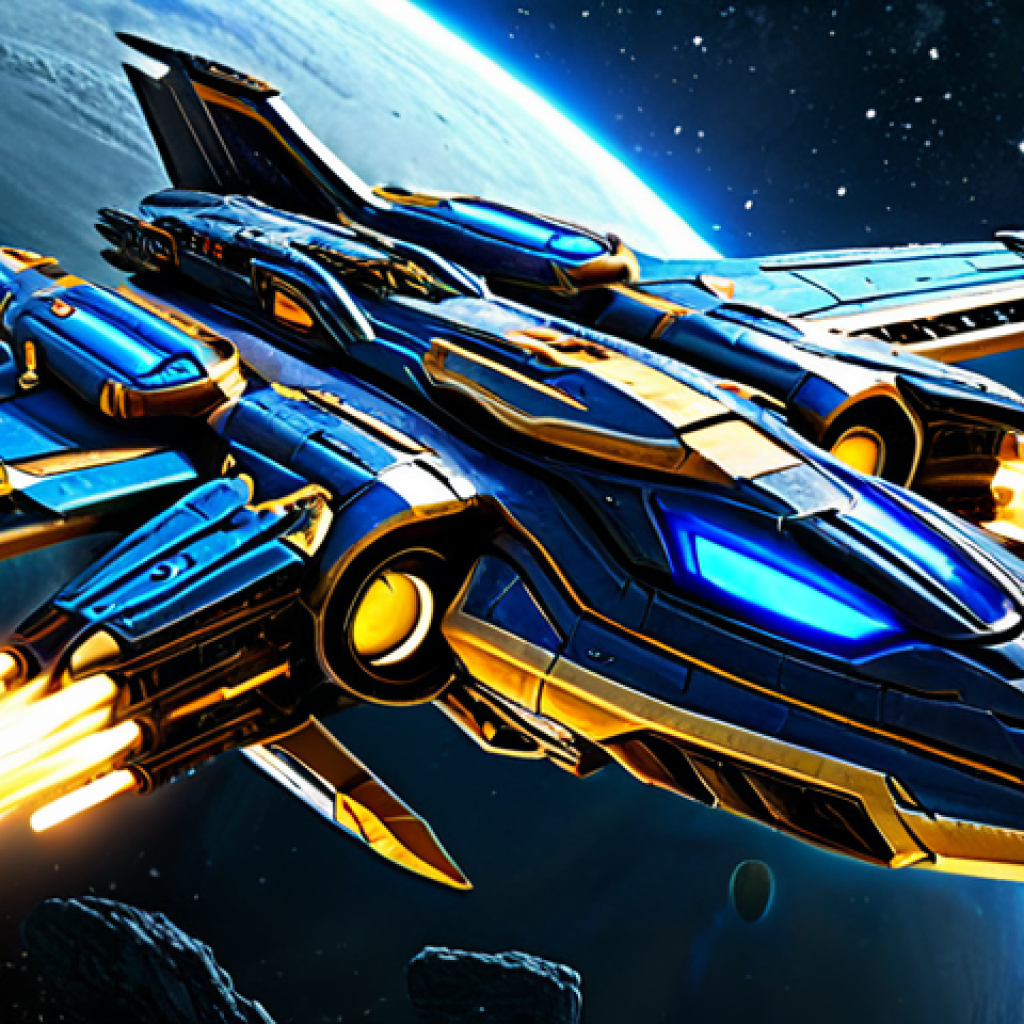
When you think Protoss late game, the immediate image for many is a majestic fleet of Carriers and Tempests, slowly pushing across the map. And yes, while that iconic “Skytoss” composition remains incredibly potent, the reality of its execution in the current meta is far more nuanced than simply massing air units.
I’ve seen too many players fall into the trap of over-investing in pure air without the necessary ground support, only to be overwhelmed by sudden ground pushes or sneaky drops.
The true power of a late-game Protoss air army lies in its *synergy* with ground units and spellcasters. It’s about how your Tempests zone, how your Carriers spawn Interceptors to absorb damage, and how your High Templar or Archons protect them from below.
It’s an intricate dance, and missing a beat can be catastrophic. The thrill of seeing those Interceptors swarm, or a perfectly aimed Tempest shot take down a critical unit, never gets old for me.
1. Mastering Interceptor Management and Carrier Positioning
A common misconception I often encounter is that once Carriers are built, they just “do their thing.” Oh, if only it were that simple! The truth is, effective Carrier play demands constant micro-management, particularly concerning your Interceptors.
Knowing when to recall them, when to spawn new ones, and how to position your Carriers to maximize their DPS while minimizing their exposure is absolutely critical.
I’ve had games where I felt like I was losing, but by meticulously managing my Interceptors, pulling them back from concentrated anti-air fire, and then resending them, I managed to turn the tide.
It’s a subtle art, but it significantly boosts their longevity and damage output. Furthermore, your Carrier positioning isn’t just about offensive pushes; it’s also about defensive holds, using their range to deny expansions or intercept incoming forces before they reach your main army.
Think about how you protect those precious assets; they’re the core of your investment.
2. The Role of Tempests: Zoning, Siege, and Disruption
Tempests are often misunderstood. They’re not your primary damage dealers in a straight-up fight, at least not against smaller, faster units. Their true strength lies in their incredible range and their ability to dictate engagements.
I personally love using Tempests to “soften up” fortified positions or pick off key units like Brood Lords, Ultralisks, or Thors from a distance. Their Disruption Blast ability, while tricky to land, can absolutely devastate clustered units, turning a losing battle into a swift victory.
I’ve used it to break supply lines, clear creep, or even snipe a critical spellcaster that was trying to escape. They are your long-range artillery, your siege breakers, and your crucial anti-air threat, but they need to be protected.
Keeping them behind your main army, constantly repositioning them, and ensuring they have a clear line of sight are all vital for extracting their maximum value.
Ground Force Grandeur: The Enduring Power of Templar & Archons
While Skytoss captures the imagination, no serious Protoss player can neglect the backbone of their ground army in the late game: High Templar and Archons.
These units aren’t just supplementary; they are often the lynchpin of successful engagements, providing the burst damage, area denial, and utility that a pure air army simply cannot.
I’ve seen countless games where a perfectly timed Storm or an Archon’s splash damage completely shattered an opponent’s push that seemed unstoppable just moments before.
It’s that feeling of control, of turning chaos into a calculated victory, that makes these units so incredibly satisfying to use. The micro involved with split-second Psi Storms and Feedback can be nerve-wracking, but the payoff is immense.
1. High Templar: Masters of Energy and Area Denial
The High Templar remains, in my opinion, one of the most skill-intensive and rewarding units in StarCraft II. Their two core abilities, Psi Storm and Feedback, are game-changers.
Psi Storm’s ability to clear out massive clumps of units, especially light units like Zerglings or Marines, is unparalleled. I’ve had moments where a single, well-placed Storm wiped out half an opponent’s army, immediately shifting the momentum in my favor.
But it’s not just about offense; it’s about denying territory, forcing engagements on your terms, and punishing sloppy positioning. Feedback, on the other hand, is your precision strike.
Sniping critical spellcasters like Ghosts, Infestors, or Ravens can utterly cripple an opponent’s late-game strategy. I always try to keep a few High Templar energy-rich and ready, hidden behind my main force, anticipating that crucial moment to unleash their power.
The mental stack of tracking enemy energy and anticipating their moves is a constant challenge, but it’s what separates good players from great ones.
2. The Indomitable Archon: Frontline Powerhouse
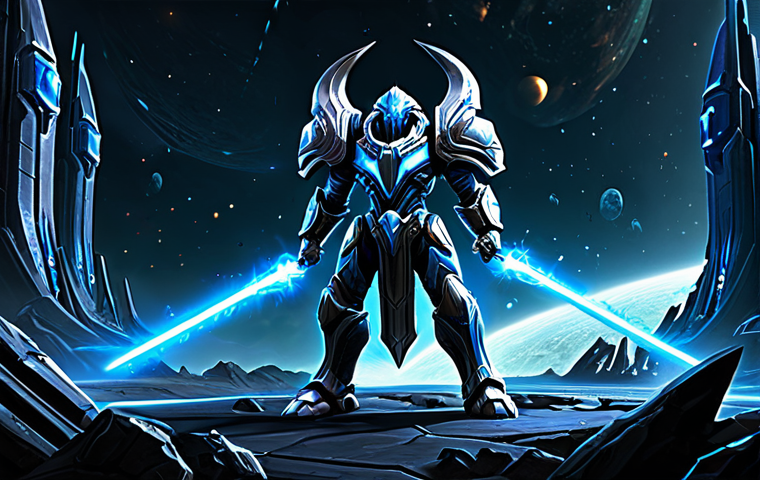
The Archon, born from the merging of two High Templar, is your ultimate late-game frontline tank and splash damage dealer. Their massive shields and powerful area-of-effect attack make them incredibly effective against light units and excellent at soaking up damage for your more fragile air units.
I often use them as a spearhead for my ground pushes, absorbing incoming fire and clearing out smaller units that would otherwise overwhelm my force. The synergy with Zealots or Immortals is incredible, creating a robust, multi-layered ground force that can hold its own even against massed attacks.
Moreover, their attack is potent against air units, providing crucial anti-air support to your Skytoss fleet. They’re not flashy like a Storm, but their raw, consistent damage and tankiness are absolutely vital for maintaining map control and winning those critical positional battles.
They feel like a true anchor for your forces.
Strategic Resource Management: Fueling the Late-Game Behemoth
In StarCraft II’s late game, your economy isn’t just about having “enough” minerals and vespene gas; it’s about having *too much* of it, constantly flowing to sustain your relentless production and upgrade cycles.
As Protoss, our high-tech units are notoriously expensive, making robust expansion and meticulous resource management paramount. I’ve personally seen games slip away not because of a bad engagement, but because my economy simply couldn’t keep up with the attrition.
Having multiple Nexus active, ensuring a steady stream of probes, and knowing when to transition into a full late-game production setup is the unsung hero of many victories.
It feels like a constant balancing act – expanding aggressively without overextending, and maintaining production without floating too many resources.
1. Expanding and Maintaining Saturation: The Income Engine
Late-game Protoss demands a massive income. This means constantly looking for opportunities to expand, securing additional Nexus, and ensuring those bases are fully saturated with probes.
I often find myself building Pylons aggressively to power new Nexus locations and then immediately warping in probes to get them mining. It’s a race against time, trying to out-macro your opponent while also defending your existing bases.
Protecting these expansions with Cannons, Shield Batteries, and strategically placed units is just as important as building them. Losing a saturated base in the late game can be a death knell, so I always try to have a small defensive force or even a few Sentries ready to create force fields against drops.
Remember, more income means more units, more upgrades, and more opportunities to rebuild after a tough fight.
2. Managing Gas-Heavy Compositions and Upgrade Priorities
Protoss late-game units, especially those fancy Skytoss units and spellcasters, are incredibly gas-intensive. You’ll often find yourself gas-starved even with a healthy mineral income.
This necessitates smart gas management. Knowing when to pull probes off minerals to accelerate gas collection, or when to switch your unit composition to be less gas-dependent, is a sign of an experienced player.
Furthermore, upgrades are absolutely non-negotiable. Maxing out your weapon, armor, and shield upgrades is crucial for your units to stand a chance in those massive late-game brawls.
I’ve had moments where a single upgrade tier made the difference between my Carriers barely winning a fight and them being absolutely shredded. It’s a constant juggle, deciding whether to spend that gas on another unit or to invest in that crucial final upgrade.
| Unit Type | Core Role in Late Game | Key Considerations |
|---|---|---|
| Carrier | Sustained damage, zoning, tanking via Interceptors | Interceptor management, vulnerable to concentrated anti-air |
| Tempest | Long-range siege, anti-air snipe, Disruption Blast zoning | Fragile, high gas cost, requires protection and careful positioning |
| High Templar | Area damage (Psi Storm), critical unit shutdown (Feedback) | Energy management, extremely fragile, easily sniped if exposed |
| Archon | Frontline tank, splash damage, anti-air support | Shield battery support, excels vs. light units, slow |
| Mothership | Vortex, Mass Recall, Cloaking, global presence | High cost, target priority, vital for late-game maneuverability |
Unlocking the Mothership’s Full Potential: The Ultimate Game Changer
Ah, the Mothership. For me, it’s not just a unit; it’s a statement. It’s the crown jewel of your late-game Protoss army, providing unparalleled utility that can completely swing the momentum of a match.
However, I’ve often seen players build it and then almost forget about it, or use its abilities haphazardly. The Mothership isn’t a fire-and-forget weapon; it demands constant attention and intelligent ability usage to truly shine.
Its presence alone can force an opponent to play differently, fearing the devastating power of a well-placed Vortex or the rapid mobility granted by Mass Recall.
It truly feels like the ultimate embodiment of Protoss power.
1. The Tactical Depth of Vortex and Mass Recall
Vortex is, without a doubt, one of the most powerful abilities in the game. It can completely remove a portion of the enemy army from a fight, allowing you to focus fire on the remaining units, or it can trap an entire force for a devastating Psi Storm barrage.
I’ve had so many adrenaline-pumping moments where a perfectly timed Vortex on a group of critical units like Thors or Brood Lords has turned a sure defeat into an instant victory.
The sheer psychological impact of landing a good Vortex can be game-ending. Mass Recall, on the other hand, is your ultimate escape and rapid deployment tool.
It allows you to quickly reinforce a collapsing front, escape from a losing engagement, or even launch surprise attacks on distant bases. I frequently use it to save my main army from being surrounded or to rapidly transfer a force from defense to offense.
Mastering these two abilities is paramount for advanced Mothership play.
2. Mothership Positioning and Cloaking Utility
Beyond its active abilities, the Mothership also provides a crucial passive cloaking field for nearby friendly units. This can be incredibly annoying for opponents, especially if you’re trying to hide crucial spellcasters or even an entire Skytoss fleet for a surprise attack.
I often use its cloaking field to set up ambushes or to simply protect my High Templar from being picked off. However, the Mothership itself is a huge, valuable target.
Its positioning is key; you want it close enough to utilize its abilities but far enough to avoid being focused down. I typically try to keep it slightly behind my main force, using its slow movement speed to my advantage by positioning it for future engagements.
Losing your Mothership early can be a major blow, so protecting it becomes a top priority.
The Art of Positioning and Engagement: Winning the Final Battles
StarCraft II late game is often decided by a single, decisive engagement. For Protoss, with our powerful but often high-cost and slow-to-replenish units, winning these fights is paramount.
This isn’t just about having the right units; it’s about how you position them, how you initiate, and how you react to your opponent’s moves. I’ve learned that patiently setting up flanks, baiting your opponent into unfavorable terrain, and understanding sight lines can often be more impactful than simply having a larger army.
It’s a chess match played at lightning speed, where every unit’s placement matters. That feeling when your entire army moves as one, perfectly executing a strategy you’ve been building towards, is truly unmatched.
1. Creating Favorable Engagements and Flanks
You never want to just “A-move” into a prepared opponent, especially not in the late game. As Protoss, our units thrive when they can focus fire and utilize their abilities without being overwhelmed.
This means actively seeking out advantageous engagement spots: choke points, high ground, or areas where you can leverage your unit’s strengths. I frequently try to bait my opponent into pushing into my defenses or catching them out of position when they are expanding.
Using small groups of Zealots or Warp Prisms to create distractions can also pull their army out of position, allowing your main force to strike a vulnerable flank.
The goal is to force an uneven fight, ensuring your spellcasters can land their critical abilities and your high-damage units can output their full potential without being immediately countered.
2. Defensive Setups and Containing Aggression
While offensive pushes are important, Protoss also excels at robust defensive setups in the late game. Creating fortified positions around your expansions or choke points with a combination of Cannons, Shield Batteries, and your core army can make you incredibly difficult to dislodge.
I often layer my defenses, placing Immortals or Archons at the front to absorb damage, with High Templar and Tempests positioned behind them to provide splash damage and long-range support.
Using Force Fields with Sentries can also bottleneck enemy forces, allowing your units to pick them off piecemeal. Knowing when to patiently hold a defensive line and when to transition to an aggressive counter-attack is a crucial aspect of late-game decision-making.
It’s about denying your opponent any ground and forcing them to commit to unfavorable engagements.
Adapting to Adversity: Countering Specific Late-Game Threats
No game of StarCraft II unfolds exactly as planned, especially in the late game. Your opponent will inevitably tech switch, build unexpected units, or try to exploit perceived weaknesses in your composition.
As a Protoss player, the ability to rapidly adapt, pivot your strategy, and build the correct counters on the fly is paramount. I’ve had my fair share of heartbreaking losses because I stubbornly stuck to a plan that was clearly being countered, and I learned the hard way that flexibility is key.
It’s about recognizing the threat, understanding its implications, and then calmly executing the necessary adjustments to overcome it. This dynamic problem-solving is what makes the late game so mentally taxing, yet so rewarding when you pull it off.
1. Handling Mass Brood Lord/Infestor from Zerg
Ah, the dreaded Zerg late-game ultimate. A mass of Brood Lords supported by Infestors can feel utterly overwhelming, especially with Fungal Growths locking down your air units.
My personal approach involves a strong focus on Tempest production to snipe the Brood Lords from range, combined with High Templar for Feedback on Infestors and massive Psi Storms for Zerglings and Hydralisks supporting the Broods.
Archons are also crucial for their splash damage against the ground swarm and even their decent anti-air. I prioritize cutting off their creep spread aggressively and trying to pick off vulnerable units before the full swarm masses.
Sometimes, a well-timed Mass Recall with the Mothership can save your entire fleet from being Fungaled and allow you to re-engage on your terms.
2. Countering Terran Ghost/Liberator/EMP Compositions
Terran late-game often revolves around powerful Ghost pushes with EMPs, combined with Liberators for zone control and siege damage. EMPs are devastating for Protoss shields and energy, making your spellcasters and Archons extremely vulnerable.
To counter this, I often find myself building more Gateway units like Zealots and Immortals to act as a frontline buffer. Zealots can quickly close the distance on Ghosts, while Immortals chew through tanks and Thors.
For the Ghosts themselves, careful High Templar Feedback is key, but it’s a high-stakes gamble. Protecting your High Templar and Mothership from EMPs by splitting them or keeping them out of range is critical.
Against Liberators, Tempests are effective for sniping, but you also need to engage their ground army before the Liberators can completely zone you out.
It’s a challenging matchup that truly tests your micro and multi-tasking.
Concluding Thoughts
Mastering the Protoss late game in StarCraft II is undoubtedly one of the most challenging yet profoundly rewarding aspects of the game. It’s a testament to your ability to multitask, strategize, and adapt on the fly.
Every game presents new puzzles, new compositions to counter, and new opportunities to showcase your evolving skill. It’s a journey of continuous learning, filled with thrilling victories and humbling defeats, each one teaching you valuable lessons.
Embrace the complexity, cherish the intricate dance of units, and keep pushing your limits – that’s where the true joy of being a Protoss player lies.
Valuable Insights
1. Master Your Hotkeys: Efficiently using control groups for your army, spellcasters, and Nexus, as well as mastering hotkeys for abilities like Psi Storm, Feedback, and Vortex, is absolutely non-negotiable for late-game success. Speed and precision matter.
2. Constant Scouting: Never stop scouting your opponent’s tech, unit composition, and expansion habits. This information is invaluable for making timely adjustments to your own build and unit choices, ensuring you always have the right counter.
3. Review Your Replays: After a tough loss or even a satisfying win, take the time to watch your replays. Identify your mistakes (e.g., missed Storms, poor positioning, supply blocks) and your opponent’s weaknesses. This is where real learning happens.
4. Practice Micro & Macro Separately: Dedicate custom games to practicing specific micro-intensive scenarios (e.g., landing perfect Psi Storms, splitting Tempests) and then focus on macro drills (e.g., never missing probe production, taking expansions on time). Integrate them later.
5. Stay Calm Under Pressure: The late game can be incredibly stressful, but panicking often leads to crucial mistakes. Take a deep breath, assess the situation, and execute your plan calmly. Composure is a powerful weapon.
Key Takeaways
The Protoss late game is a delicate balance of air and ground forces, where synergy triumphs over brute force. Effective Carrier and Tempest micro, combined with the devastating power of High Templar and Archons, forms the backbone of your army.
Fueling this high-tech behemoth requires impeccable resource management and continuous expansion. Crucially, the Mothership serves as an unparalleled game-changer with its strategic abilities.
Ultimately, victory hinges on your ability to position units optimally, initiate favorable engagements, and constantly adapt your strategy to counter your opponent’s threats.
Frequently Asked Questions (FAQ) 📖
Q: What’s the feeling like when you’ve successfully reached the Protoss late game in StarCraft II, and what are the immediate strategic priorities at that point?
A: Oh, man, that feeling is a real mix of triumphant relief and pure, unadulterated tension. You’ve held off the early aggression, your economy’s humming, and you can practically feel that immense power of your army about to coalesce.
It’s exhilarating, honestly. But right then, the priority shifts almost entirely to surgical precision. It’s not just about cranking out Carriers or Tempests; it’s about making sure your High Templar are perfectly positioned for those game-changing storms or that absolutely crucial feedback.
Every bit of energy matters, and the entire late-game hinges on mastering that delicate dance of ground units backing up your Skytoss, always, always ready for those sudden enemy tech switches.
Q: How do top-tier players manage to stay ahead in the ever-evolving Protoss late-game meta, especially considering the constant balance changes and new threats?
A: That’s the million-dollar question, isn’t it? What I’ve seen, and what really impresses me, is their uncanny ability to just… flow with the game.
They aren’t rigid. One patch might favor mass Archons, the next it’s all about Mothership vortex plays, and they just seamlessly pivot. It’s not about finding one perfect build; it’s about mastering a whole toolkit.
They’re constantly analyzing patch notes, sure, but more importantly, they’re looking for the subtle nuances of unit positioning and ability usage that exploit the smallest advantages.
Dealing with things like an upgraded Brood Lord army or Ghosts with their EMPs isn’t about having a static counter; it’s about anticipating and reacting on the fly, keeping that Mothership alive and your Templar charged for those critical moments.
It’s a never-ending learning curve, truly.
Q: Beyond just building units, what are some of the less obvious but critical aspects of mastering Protoss late game that players often overlook?
A: This is where the real depth lies, in my opinion. It’s easy to just focus on getting your Carrier count up, but what often gets overlooked is the micro within the macro.
I’m talking about things like the precise timing and placement of every single High Templar storm – a millisecond too early or too late, and you’ve wasted precious energy.
Or the subtle art of kiting with Tempests, keeping them just out of reach while still dishing out damage. And honestly, Mothership positioning is an absolute game-changer.
Keeping her safe, active, and ready for a recall or a timely vortex can swing an entire engagement. It’s not just about unit compositions; it’s the tactical dance, the energy management, and the constant awareness of your opponent’s potential tech switches that truly separate the good players from the great ones.
It’s exhausting but incredibly rewarding when it clicks.
📚 References
Wikipedia Encyclopedia
구글 검색 결과
구글 검색 결과
구글 검색 결과
구글 검색 결과
구글 검색 결과