Hey fellow commanders! You know, there are those intense moments in StarCraft II where a single, perfectly timed ability can completely flip the script of an entire match, right?
I’ve been there countless times, heart pounding, adrenaline surging, wondering if I just pulled off the impossible with a slick move. And honestly, for us Protoss players, there’s almost nothing quite as satisfying, or utterly terrifying for your opponent, as a well-executed Recall.
It’s not just about snatching your precious units from the jaws of defeat; it’s a tactical masterpiece that can catch your enemies completely off guard, setting up some truly unforgettable plays that leave a lasting impression.
From aggressive harass to game-saving retreats, Recall’s potential in the current meta is absolutely massive. If you’ve ever felt like your Recall game could use a serious upgrade, or you’re simply looking to refine those clutch plays that separate the good from the truly legendary, then you’ve landed on the right page.
We’re about to explore how mastering this potent spell can elevate your strategy and leave your adversaries scratching their heads, wondering what just hit them.
Let’s dive right into making your Recall usage nothing short of brilliant!
Mastering the Aggressive Recall: Turning the Tide Early
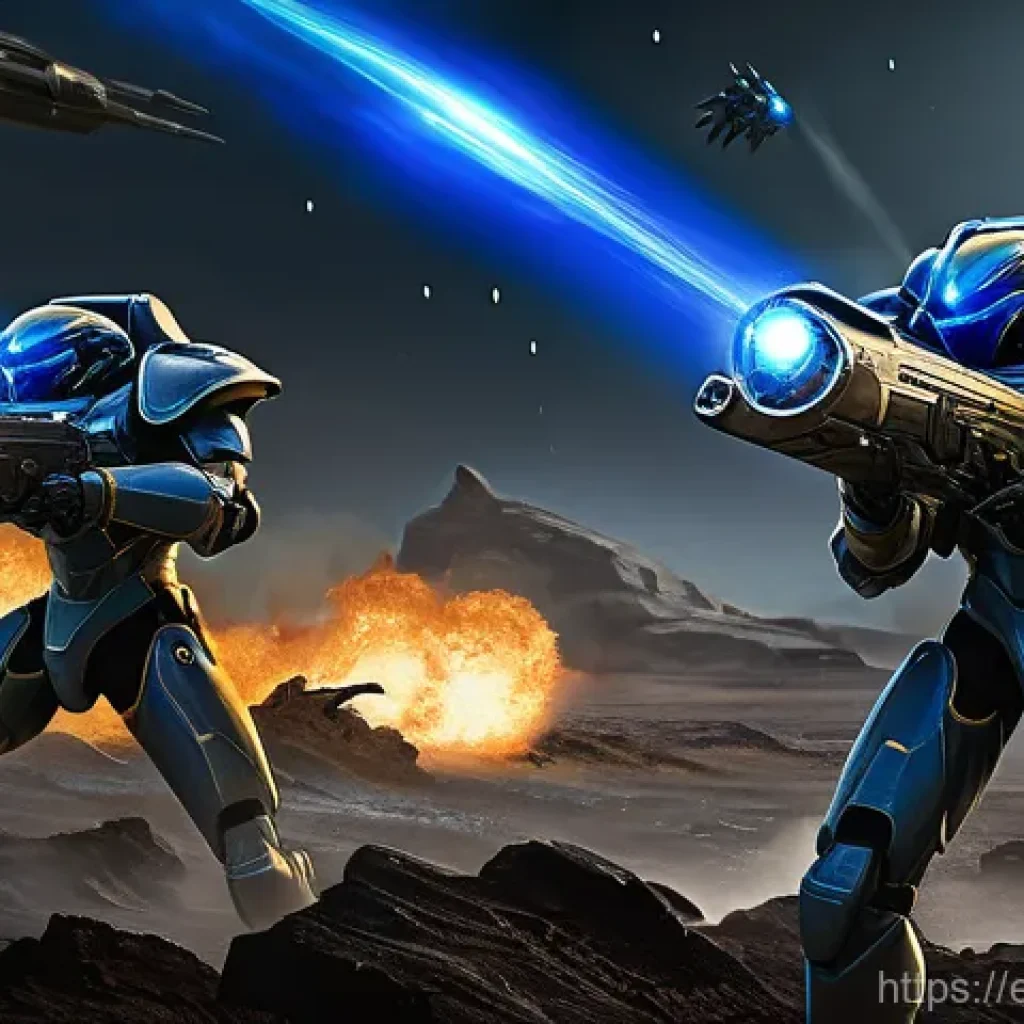
Oh, the thrill of an aggressive Recall! It’s one of those moments that, when executed perfectly, feels like you’ve just outsmarted your opponent on a fundamental level. I’ve personally experienced the sheer satisfaction of dropping a small but potent force of Stalkers or Adepts into an unsuspecting expansion, forcing a massive overreaction, and then, just as their entire army converges, poof! — my units are safely back home. It’s not just about dealing damage; it’s about disrupting their build, forcing them to spend resources on defense instead of offense, and most importantly, gaining critical information about their army composition and positioning. The mind games alone are worth it. I’ve found that even if you don’t secure a kill, the psychological blow of constantly being on edge, wondering where your next mini-attack will come from, can throw even the most seasoned players off their game. It’s like a feint in boxing, making them commit to a block that isn’t even coming, leaving them open for the real punch. The confidence you gain from these plays, knowing you can dictate the pace, is truly empowering.
Opening with a Punch: Early Game Harass
I remember a game on “Eternal Empire” where I decided to go for an aggressive 2-gate Stalker opening. I got three Stalkers out, blinked them into my opponent’s natural, and immediately started sniping workers. The panic in chat (from my opponent’s perspective, I’m sure) was almost palpable. They scrambled their Marines, but I had already done enough damage. Just as the Marines were about to encircle my Stalkers, I hit that Recall button. My units instantly vanished, reappearing safely near my Nexus. Not only did I kill a few SCVs and delay their economy, but I also learned they were going bio early. That knowledge alone dictated my entire build order for the rest of the game, allowing me to counter perfectly. It’s this kind of calculated risk that can set the tone for the entire match, giving you an early psychological and economic lead that can snowball into a win.
Countering Pressure with Pressure: Mid-Game Disruptions
Sometimes, your opponent pushes out early, trying to gain map control or deny your third base, feeling confident in their timing. This is where a well-timed aggressive Recall can completely flip the script. Instead of meeting their push head-on, I’ve often sent a small group of units, say a few Immortals and Zealots, to hit an exposed expansion or even their main base while their main army is away. This forces a difficult decision: do they continue their push and risk losing their economy, or do they pull back and relieve the pressure? More often than not, they pull back, and my recalled units are already safe. This not only buys me time to get my economy going or build up my own army but also puts them on the back foot, making them hesitant to push again. It’s a fantastic way to regain tempo and show them who’s boss on the map, transforming a defensive situation into an offensive opportunity.
Defensive Recall: Snatching Victory from the Jaws of Defeat
There’s nothing quite like that heart-stopping moment when your entire army is caught out of position, or a rogue drop of Banelings is heading straight for your worker line. In these instances, Defensive Recall isn’t just a spell; it’s a lifeline. I’ve been in countless situations where my entire main army was on the verge of being wiped out, only for a perfectly timed Recall to yank them back to safety, buying me precious seconds to reinforce or reposition. It’s a game-changer, turning what would have been a catastrophic loss into a minor setback. The emotional swing from panic to relief in that split second is incredible. It’s not just about saving units; it’s about preserving your economy, maintaining your force field, and keeping your dreams of victory alive. Trust me, learning to hit that hotkey instinctively will save you more games than you can imagine, preventing those frustrating moments where your carefully crafted army vanishes in an instant.
Protecting Your Precious Workers: The Economic Lifeline
Imagine this: you’re macroing hard, trying to get your third base saturated, and suddenly, a swarm of Mutalisks or a handful of Hellions appears in your mineral line. Panic sets in, right? Your first instinct might be to pull probes, but that takes time and can disrupt your mining. This is where a quick Recall to your Nexus can save dozens of workers. I’ve often positioned a small contingent of units, maybe a couple of Stalkers or Phoenixes, near my main Nexus precisely for this reason. The moment I see harassment, I Recall them to the danger zone, often before my opponent even realizes what’s happening. The cost of losing 10-15 workers far outweighs the energy spent on a Recall, and the peace of mind knowing you have a failsafe is invaluable. It’s a small investment for a massive potential gain in sustained economic power.
Saving Your Main Army: Tactical Retreats
We’ve all been there: a battle goes south faster than you can say “for Aiur!” Maybe you engaged on a ramp, or your opponent simply had a better unit composition for that particular fight. Instead of letting your entire army melt, a well-placed Defensive Recall can be your saving grace. I’ve often used it to pull back heavily damaged Immortals or High Templar, giving them a chance to recharge shields or regain energy, then sending them back into the fray with reinforcements. It’s not a surrender; it’s a tactical retreat, a regrouping maneuver that keeps your fighting force intact. Sometimes, pulling back even half your army can preserve enough strength to hold off the next push or mount a counter-attack. The key is to recognize when a fight is lost and to act decisively, trusting your ability to rebuild and re-engage.
Creative Recall: Mind Games and Misdirection
Recall isn’t just for saving units or hitting hard; it’s a tool for pure psychological warfare. I’ve spent countless hours in custom games trying to perfect these sneaky maneuvers, and when they work, oh boy, do they feel good! It’s about making your opponent believe one thing is happening, only to surprise them with something entirely different. The element of surprise is a Protoss player’s best friend, and Recall, in the hands of a clever commander, can be the ultimate misdirection spell. Think of it as a magic trick: you show them one hand, but the real action is happening with the other. This often involves sacrificing a bit of energy for a potentially game-winning strategic advantage, and in my experience, it’s almost always worth it for the sheer shock value alone, leaving your adversary utterly bewildered and scrambling to react.
The Fake Push and Recall Back
One of my favorite tricks is to stage a really convincing main army push towards my opponent’s base. I’ll move my entire force across the map, making it look like an all-in attack. Their entire focus will be on defending their main entrance, concentrating their forces there. But then, just as their army masses up, I’ll send a small, fast contingent – say, a few Zealots and a Dark Templar – around the back to hit an unguarded expansion. After a few seconds of damage, I Recall my main army back to a strategic position while the small harassing force continues to wreak havoc. The opponent is left completely flustered, having committed their defense to a non-existent threat, while their economy bleeds. It’s a beautiful symphony of deception and execution, and I’ve seen it completely break opponents’ morale, causing them to question every subsequent move you make.
Warp-In Zone Shenanigans
Another incredibly fun way to use Recall creatively is to mess with warp-in zones. Imagine you’re pushing with your main army, and you’ve got a Pylon positioned strategically on the map, maybe even inside their base, just out of sight. Your opponent might see the Pylon and assume you’re planning to warp in reinforcements there, a common tactic. So, they commit units to deny that warp-in. But what if you Recall your main army *to that Pylon*? Suddenly, their defensive units are out of position, and your entire army is now deep within their base, perhaps right on top of their production facilities or worker lines. I’ve done this numerous times, and the sheer look of confusion on their side (even through the screen!) is priceless. It exploits their assumptions and turns their defensive efforts against them, creating a truly memorable moment.
Late Game Recall: The Ultimate Macro Tool
As the game stretches into its later stages, unit compositions become larger, engagements become more decisive, and every resource matters. In this environment, Recall transforms from a tactical spell into a crucial macro tool. It’s no longer just about saving a few units; it’s about rapidly repositioning your entire army to defend multiple fronts, secure distant expansions, or launch surgical strikes. I’ve often found myself in situations where I needed to defend my main while simultaneously putting pressure on my opponent’s far-flung mining bases. Without Recall, this would be an impossible task, forcing me to split my army and weaken both positions. But with Recall, I can keep my main force together, deal with one threat, and instantly teleport to the next. It’s the closest thing Protoss has to instantaneous global presence, and mastering it is key to late-game dominance and maintaining a consistent advantage across the entire map.
Defending Multi-Pronged Attacks
In the late game, skilled opponents will often try to hit you from multiple angles – a main push, a drop, and a run-by all at once. This is where Recall truly shines. Instead of splitting your precious, high-tech army and potentially losing pieces everywhere, you can use Recall to rapidly shift your forces. I’ve often used my main army to defend the most critical attack, then quickly Recalled them to deal with a drop or a run-by that would otherwise decimate my economy or disrupt my production. The speed and efficiency of this maneuver are unmatched. It keeps your army concentrated, allowing you to overpower each attacking force sequentially, rather than being spread thin and losing everywhere. This ability to be everywhere at once, at least defensively, is a huge advantage that can secure your victory in intense late-game scenarios.
Securing Distant Expansions and Denying Attacks
Late-game maps can feel massive, and getting units to a distant fourth or fifth base to defend it can take forever, leaving it vulnerable to subtle harassment or outright attacks. This is where Recall becomes invaluable for expansion management. I’ve often used it to instantly reinforce a newly established base that’s under attack, saving it from being overrun. Similarly, if my opponent is trying to sneak a proxy Pylon or a Nydus Worm on a far corner of the map, a quick Recall with a small clean-up crew can snuff out the threat before it becomes a major problem. It’s about maintaining map presence and denying your opponent opportunities, without compromising the integrity of your main defense. It lets you play a much more aggressive and expansive macro game, extending your reach without spreading your resources too thin.
The Art of Positioning: Where and When to Pull the Trigger
Recall isn’t a mindless ability; it’s an art form that demands precise timing and thoughtful positioning. I’ve seen countless players waste valuable energy on a Recall that either saves too few units, lands them in a worse spot, or simply fails to achieve its intended purpose. The difference between a mediocre Recall and a game-winning one often boils down to understanding the optimal moment and location. It’s not just about hitting the hotkey; it’s about anticipating your opponent’s moves, reading the flow of the battle, and having a clear objective in mind. I personally try to visualize the “exit point” before initiating the Recall, ensuring my units will land safely and in a position where they can immediately re-engage or escape without further losses. This foresight is what separates the casual Recall user from the true Recall master, making every execution feel impactful and decisive.
Optimal Recall Destination Points
Choosing where to Recall to is almost as important as when. You don’t just want to bring your units back; you want to bring them back to a safe and advantageous position that sets you up for your next move.
- Nexus: The most common and often safest choice, especially for defensive recalls. It’s usually well-protected by canons or batteries, and provides a centralized point for regrouping and quick re-deployment.
- Proxy Pylon: For aggressive recalls, a strategically placed proxy Pylon allows for deep incursions into the enemy base or quick re-engagement at a critical location. This requires careful scout and placement, sometimes even a hidden Pylon.
- Hidden Pylon: Sometimes, a Pylon hidden behind a mineral line or in a less-traveled corner can be an excellent Recall spot for flanking attacks or surprise defenses, catching opponents completely off guard who aren’t constantly scouting.
- Existing Army Position: In late-game multi-pronged defense, recalling a smaller group of units directly to your main army can instantly bolster your forces and consolidate your power, turning a potential disaster into a minor skirmish.
I always try to have a mental map of potential Recall points throughout the game, adapting them as the battle unfolds and new opportunities or threats emerge.
Timing is Everything: Reading the Battlefield
Timing your Recall is crucial. A Recall too early might not save enough units or waste potential damage, making it feel like a missed opportunity. Too late, and your units might already be dead, leaving you with nothing but regret. I look for specific cues to maximize its impact:
- Critical Unit Health: When your high-value units (Immortals, Archons, High Templar) drop into the red, that’s often the signal. Don’t wait for them to die; Recall them instantly to preserve their immense value.
- Opponent’s Commitment: If your opponent has fully committed their army to an engagement, recalling your forces can leave them overextended and vulnerable to a counter-attack, forcing them to retreat or lose their entire force.
- Imminent Death Traps: If your units are about to be encircled, trapped on a ramp, or hit by a massive splash damage ability (like a Fungal Growth or a Storm), Recall immediately. That split second of foresight can save your entire army.
- Economic Threat: The moment you see harassment hit your worker line, Recall your defensive units. The faster you react, the fewer workers you lose, which is absolutely vital for maintaining your economy.
It’s a reactive ability, but a good player learns to anticipate these moments, almost as if they can see a few seconds into the future. That’s when Recall truly becomes brilliant, a testament to your understanding of the game.
Synergizing Recall: Unit Compositions That Shine
Recall isn’t just a standalone ability; its true power is unlocked when combined with specific unit compositions. Certain Protoss units thrive on the hit-and-run tactics that Recall enables, while others gain defensive synergy, making your army far more resilient than it might appear. Over my years of playing, I’ve experimented with countless army compositions, trying to find that perfect blend that makes Recall utterly devastating. It’s about building an army that can deliver a quick, impactful punch, and then disappear before the opponent can retaliate, or an army that can quickly consolidate to form an unbreakable wall. The goal is to maximize the utility of every unit and every point of energy, ensuring that your Recall is always the most efficient play possible, catching your opponent off guard and leaving them frustrated.
High-Value Targets for Aggressive Recall
When I’m planning an aggressive Recall, I always prioritize units that can deal significant damage quickly and are expensive to lose, because preserving them ensures sustained pressure and economic advantage.
- Dark Templar: Invisible damage dealers that can cripple an economy or production line in seconds. Recalling them after a hit guarantees their survival and keeps the psychological pressure high.
- Stalkers/Adepts: Highly mobile units that can blink or shade into enemy territory, pick off key units or workers, and then be instantly recalled. Their speed and maneuverability make them perfect for these quick raids.
- Immortals: With their hardened shields, Immortals can absorb a lot of punishment from high-damage attacks. Recalling them before their shields break can save a huge chunk of your army’s value, as they are incredibly potent against armored units.
These units, in my experience, offer the best return on investment for an offensive Recall, making every energy spent a genuine threat to your opponent’s plans and a worthy sacrifice for the disruption they cause.
Defensive Recall Unit Synergies
For defensive Recalls, the focus shifts to preserving your backbone units and those that provide critical utility, as losing them can cripple your entire army’s effectiveness.
- High Templar: Often the core of your late-game army, their Storms are invaluable. Recalling them allows them to regenerate energy and cast more storms, essentially giving them a second life and sustained area-of-effect damage.
- Colossi: Slow but devastating with their splash damage, especially against light units. Saving a Colossus from being picked off can be game-changing, as they are very expensive to replace and provide crucial ranged support.
- Archons: Tanky and high-damage, Archons are great for soaking up damage and dishing it out. Recalling them allows their shields to regenerate, making them ready for the next engagement with full health, acting as formidable front-line units.
I’ve learned that a timely defensive Recall on these key units not only saves them but often saves the entire engagement, allowing you to regroup and push back even stronger, turning a potential rout into a successful defense.
Countering Recall: What to Watch Out For
Even though I primarily play Protoss, I spend a lot of time analyzing how other races counter my favorite strategies, and Recall is no exception. Understanding how opponents might try to mitigate or punish your Recall usage is crucial for refining your own game. It’s like knowing your opponent’s playbook; you can anticipate their moves and adjust your strategy accordingly. I’ve had games where my aggressive Recalls were completely stifled because my opponent had excellent map vision, or my defensive Recalls were punished because they anticipated my move. Learning to recognize these counter-plays not only makes you a better Protoss player but also a more well-rounded StarCraft II strategist overall. It’s about being one step ahead, always, and never becoming complacent in your strategies.
Denying Recall Points and Map Vision
One of the most effective ways opponents counter Recall is by denying your potential Recall destinations. This often means aggressive scouting and Pylon hunting, as a Pylon is essential for the ability to work.
| Opponent’s Strategy | Impact on Recall | Protoss Counter-Play |
|---|---|---|
| Aggressive Pylon scouting and destruction | Limits aggressive Recall locations, forcing safer, less impactful destinations, reducing your offensive reach. | Guard your proxy Pylons with a few units or place them in less obvious, more defensible spots. Consider decoy Pylons. |
| Constant map presence and vision (Overseers, Ravens, Watchtowers) | Reveals aggressive Recall attempts, allowing for faster reactions and potentially trapping units before they can escape. | Use Observers for counter-scouting to clear their vision; initiate Recall when opponent’s vision is elsewhere or preoccupied. |
| Blocking main Nexus with units | Prevents defensive Recall to safety, potentially trapping your army against their forces and denying your escape. | Be aware of unit positioning; keep an escape route or pre-position defensive units to clear the path for your recalled forces. |
I’ve had games where my perfectly placed proxy Pylon was sniped just moments before I intended to use it for an aggressive Recall, completely throwing off my plan and forcing me to adapt on the fly. It’s a stark reminder of the importance of protecting your assets and maintaining map control.
Punishing Overextensions and Predicting Recall
Smart opponents won’t just deny your Recall points; they’ll try to bait you into overextending and then punish your Recall, using your own abilities against you.
- Trapping Units: If your opponent anticipates an aggressive Recall, they might try to encircle your units with a faster force (e.g., Hellions, Zerglings) before you can initiate the Recall, denying your escape.
- Anticipating Defensive Recall: During a major engagement, a skilled opponent might hold back some high-damage units, knowing you’ll Recall your main force. As your units disappear, they’ll immediately push towards your base, hitting you before your units can re-engage from the Nexus, or catching your workers.
- Denying Re-engagement: After you Recall defensively, opponents might immediately apply pressure to your ramp or choke point, preventing your units from getting back into a favorable position, essentially trapping you at home.
I’ve learned to be extremely careful about committing too much to an aggressive harass, especially against opponents who have shown they can read my intentions. Sometimes, a successful Recall is as much about escaping cleanly as it is about dealing damage. And after a defensive Recall, never assume you’re safe; always be prepared for the follow-up attack, because a good opponent will smell blood in the water!
The Mental Game of Recall: Confidence and Calculation
Beyond the hotkeys and the tactical decisions, there’s a deep psychological layer to mastering Recall. It’s about confidence, calculated risk-taking, and having an unwavering belief in your ability to execute under pressure. I can tell you from personal experience that the moment you hesitate, that split second of doubt, can be the difference between a glorious save and a devastating wipe. I’ve definitely felt that surge of anxiety, wondering if I should commit to the Recall or try to fight it out, fearing the wrong decision. But the best Recall players, and I strive to be one, are those who make the decision almost instinctively, driven by thousands of hours of practice and a deep understanding of the game’s flow. It’s about knowing your limits, but also pushing them when the opportunity arises, and trusting your gut feeling when the pressure is on.
Building Muscle Memory and Instinct
Like any high-level StarCraft II ability, Recall requires dedicated practice to build the necessary muscle memory. You need to be able to hit that hotkey and click the destination point without even thinking, making it second nature even in the heat of battle.
- Custom Games: Practice aggressive harass and Recall scenarios against AI or a friend. Focus on speed and accuracy of your clicks and hotkeys.
- Ladder Play: Actively look for Recall opportunities in every game. Don’t be afraid to experiment, even if it means losing a game or two. The learning experience is invaluable, and losses are just lessons in disguise.
- Replay Analysis: Watch your own replays (and pro replays) specifically looking at Recall usage. Analyze what worked, what didn’t, and why, breaking down the decision-making process. I’ve found this to be one of the most effective ways to improve, as it helps you see things objectively.
It’s a journey, not a destination. I’m constantly refining my Recall timing and decision-making, and every game offers a new lesson, pushing me to be a better player.
Calculated Risks vs. Reckless Abandon
There’s a fine line between a calculated aggressive Recall and a reckless overextension that simply throws units away. A calculated risk involves understanding the potential damage you can inflict, the cost of your units, and your opponent’s likely reaction, weighing the pros and cons carefully. A reckless move is simply sending units to their death without a clear objective or escape plan. I always ask myself: “What’s the best-case scenario? What’s the worst-case scenario? Is the potential reward worth the risk?”
- Information Gathering: An early aggressive Recall, even if it does minimal damage, can be worth it just for the scout information it provides about their build or unit composition.
- Opponent’s Army Composition: If you know your opponent is heavy on slow, ground units, an aggressive air-based Recall (Phoenixes, Void Rays) can be incredibly disruptive and difficult for them to counter.
- Economic Advantage: If you have a strong economy, you can afford to take slightly riskier Recalls, knowing you can remax faster than your opponent if things go sideways, which gives you a huge safety net.
It’s all about balancing the scales, and with enough experience, you develop an intuitive sense for when to go for that audacious Recall play that will leave your opponent utterly speechless and elevate your own game to new heights.
Wrapping Things Up
Phew! We’ve journeyed through the incredible versatility of Recall, haven’t we? From those nail-biting, game-saving defensive maneuvers to the audacious, economy-crippling aggressive plays, and even the mind-bending misdirections, it’s clear that Recall is so much more than just a simple spell. It’s a reflection of your strategic prowess, your quick thinking, and your ability to adapt on the fly. I truly hope that diving into these different facets has sparked some new ideas for your own Protoss game. Remember, every game is a learning opportunity, and every Recall, whether it’s perfect or a bit messy, adds to your experience. Keep practicing, keep experimenting, and you’ll find yourself weaving this powerful ability into your gameplay with effortless grace, turning the tide of battle with a single click. Go out there and make Aiur proud!
Handy Tips You’ll Be Glad You Knew
1. Always scout for potential Recall landing spots. A hidden Pylon or a safely protected Nexus can make all the difference between a successful play and a total flop. Vision is paramount, so keep those Observers active! If you don’t have good vision, you’re essentially recalling into the dark, which is a gamble you usually want to avoid. You really need to see where your units are going to end up and what threats might be waiting.
2. Don’t be afraid to experiment with your hotkeys for Recall. Finding a comfortable and instantly accessible keybind can shave off precious milliseconds, and in StarCraft II, those milliseconds can decide the outcome of an entire engagement. I personally found moving it to a more central, easy-to-reach key massively improved my reaction time and consistency when the pressure was on. It might feel weird at first, but stick with it, your hands will thank you!
3. Watching professional players’ VODs (Videos on Demand) is an absolute goldmine for learning advanced Recall techniques. Pay close attention to *when* they use it, *where* they send their units, and *why* they chose that specific moment. You’ll pick up nuances and subtle timing tells that you might miss in your own games. It’s like getting free coaching from the best, and I’ve personally learned countless tricks by dissecting their gameplay.
4. Practice against the AI or in custom games with a friend, focusing solely on perfecting your Recall usage. Try different scenarios: aggressive worker harass, saving an overextended army, or even using it for creative misdirection. The more you consciously practice, the more it becomes second nature, so when you hit the ladder, you’re not fumbling with the hotkey but executing flawlessly. It really helps build that muscle memory and confidence.
5. Remember that Recall has a cooldown and an energy cost. While it’s incredibly powerful, it’s not something you can spam. Plan your usage carefully, prioritize high-value units for defensive Recalls, and make sure your aggressive Recalls have a clear objective to make that energy investment worthwhile. Think of it as a strategic investment rather than a reactive button mash. Every use should be impactful and contribute to your overarching game plan.
Key Takeaways
To really get the most out of Recall, it’s all about understanding its incredible versatility. We’ve seen how it can be a devastating offensive tool, turning early harass into crippling economic blows and disrupting mid-game pushes. On the flip side, it’s an indispensable defensive lifeline, snatching your precious workers from danger and saving entire armies from certain destruction. What truly elevates Recall, however, is its capacity for creative misdirection and its crucial role as a macro tool in the late game, enabling you to manage multiple threats simultaneously. Ultimately, mastering Recall boils down to precise timing, intelligent positioning, and building an army composition that truly synergizes with its unique power. It’s a high-impact ability that, with practice and careful thought, can significantly elevate your Protoss gameplay and consistently keep your opponents on their toes, always wondering what brilliant move you’ll pull next.
Frequently Asked Questions (FAQ) 📖
Q: When is the absolute best time to use Recall aggressively to catch my opponent off guard, and what units should I be looking to bring along for maximum impact?
A: Oh, this is one of my favorite plays to pull off! Aggressive Recall, or what we used to call “Mass Recall” (before it was officially renamed to “Strategic Recall” for Nexus, and the Mothership still has “Mass Recall”), is a thing of beauty when executed flawlessly.
From my own experience, the sweet spot is usually when your opponent has committed a significant portion of their army to attacking your base, or when they’re pushing across the map.
You want to hit them when they least expect it, ideally in their main base or a crucial expansion, while their defenses are down and their main force is distracted.
Think about it: they’re focusing on your units, perhaps even starting to feel confident, and then BAM! Your entire army (or a significant chunk of it) materializes in their mineral line.
The panic that ensues is just chef’s kiss. The goal isn’t necessarily to wipe out their whole base, but to cause enough economic damage or force a critical split in their army that gives you a massive advantage.
As for units, I’ve found that a balanced composition works best, but focus on units that can deal burst damage or are highly mobile once recalled. Zealots with Charge are incredible for quickly shredding workers and structures.
Immortals can melt key defensive structures or production buildings. High Templar, if you’ve got the energy for Psionic Storms, can utterly devastate worker lines and light units.
Sometimes, even a handful of Stalkers for quickly picking off key targets like Queens or Supply Depots can be incredibly effective. Don’t forget an Observer or two if you’re going for a deeper dive into their base, especially if they might have cloaked units or detectors.
It’s all about making that sudden appearance count!
Q: I often mess up my defensive Recalls, either losing too many units or casting it too late. How can I improve my timing and execution for those game-saving defensive plays?
A: Believe me, we’ve all been there! That heart-sinking feeling when your precious units get melted just before the Recall animation completes is truly painful.
Improving defensive Recall timing is crucial, and it mostly comes down to practice, hotkey discipline, and a bit of foresight. First off, make sure your Nexus (or Mothership) is on a dedicated hotkey that’s easy to reach.
I personally use a control group for my Nexuses and then another for my Mothership, allowing me to quickly switch. The game will automatically select the closest Nexus with energy if you have multiple selected when you cast Strategic Recall.
It also helps to have camera hotkeys set to your bases, so you can snap to a threatened location, select your Nexus, and cast Recall without fumbling around.
Some players even use the ‘backspace’ key (default base camera hotkey) to quickly cycle through their Nexuses. The key is to anticipate pressure. Keep an eye on the mini-map and listen for “Our forces are under attack!” If you see a runby or an enemy push heading towards an expansion, start preparing.
Don’t wait until your units are already red-bar health. Recall has a channel time of a few seconds (4 seconds for Nexus Strategic Recall, 0.71 seconds delay for Mothership Mass Recall, then units arrive and are stunned for a few seconds).
That’s a crucial window where your units can still take damage. My personal rule of thumb: if a fight is going south, and I see more than half my army in danger, or if critical units like Colossi or High Templar are being focused, I’m already looking for that Recall button.
Better to save a damaged army and fight another day than lose everything and be stuck rebuilding from scratch. It’s a tough lesson to learn, but sometimes pulling back is the strongest move you can make.
Q: What are some common pitfalls or advanced micro tips for getting the absolute most value out of my Recall usage, especially in the current meta?
A: Great question! Even seasoned players can fall into bad habits with Recall. One common pitfall I see, and have definitely been guilty of myself, is being too greedy with the Recall radius.
Nexus Strategic Recall has a smaller radius (2.5) compared to the Mothership’s Mass Recall (6.5). While it’s tempting to try and snag every last unit, sometimes recalling a slightly smaller, more valuable core of your army is better than risking the entire group.
Remember, units are stunned during the channel time, and for a short period after arrival, making them vulnerable. For advanced micro, here’s a tip I’ve picked up that really makes a difference: When performing an offensive Recall into an enemy base, immediately after your units appear, try to spread them out slightly or target specific structures/workers.
Don’t just let them clump up, especially against Zerg with Banelings or Terran with Hellions/Widow Mines. If you brought High Templar, be ready with those Psionic Storms right as your units land.
Similarly, if you brought Sentries, dropping a quick Guardian Shield and some well-placed Force Fields can create an instant defensive perimeter around your newly arrived (and temporarily stunned) force.
Another thing I’ve learned is to be mindful of detector units. If you’re recalling a Mothership with its Cloaking Field, try to scout ahead with an Observer.
If there are enemy detectors like Ravens, Overseers, or Missile Turrets, prioritize them with your recalled units to maximize the Mothership’s cloak effectiveness.
Finally, don’t be afraid to use Recall even if it’s just to reposition. Protoss units can be a bit slower compared to other races off creep or without Medivac boosts, so Recall is your ultimate mobility tool.
It’s not just for emergency escapes or crushing attacks; sometimes, it’s just about getting your army to the right place at the right time. Trust your gut, and don’t underestimate the power of a well-executed reposition!